

A deeper look at our homes
Today, we’re diving into something truly meaningful, a broader cultural shift that goes beyond just interior design tips. Have you noticed that people around started talking differently about how we live and what we choose to surround ourselves with?
After years of rapid consumption, constant updates, and ever-changing streams of information, many of us are craving something calmer, more intentional, and longer lasting. You might have noticed recently: the world around us is moving away from fleeting, fast-paced trends and toward something slower, more grounded, and inherently human. It goes a lot deeper than aesthetics, and we think it’s a response to the way the world has changed in the last years. With this, we come to, perhaps, the most important word – natural.
Why is it happening now? We’ve lived through the era of fast production and “instant style” — unlimited supplies of inexpensive products (clothes, toys, decorations, even food) designed more for novelty than longevity. At first, this felt exciting, we thought of it as a sign of progress, innovation, and creativity. But eventually, the novelty wears off. The constant churn of trends, information, and visual noise can feel overwhelming. It’s no surprise that people started seeking something more enduring, more sincere, and more connected to real life. Especially, when it’s made by humans and when it has a story.
What happens with our homes?
While this movement does relate to pretty much all life areas, today we’ll see what happens to our homes and how differently we surround ourselves.
For several years, interior design was dominated by minimalism — crisp lines, clean white spaces, and a “less is more” philosophy. While pared-down spaces can feel peaceful, they often leaned toward being stark or impersonal. It’s important to understand that a space should be made for us and fit us and our lives, not the other way round.

Today, those minimalistic extremes are fading. Designers and homeowners alike are craving spaces that feel both calm and rich with personality. Some will start cherishing warm, comfortable, lived-in, and deeply personal spaces.
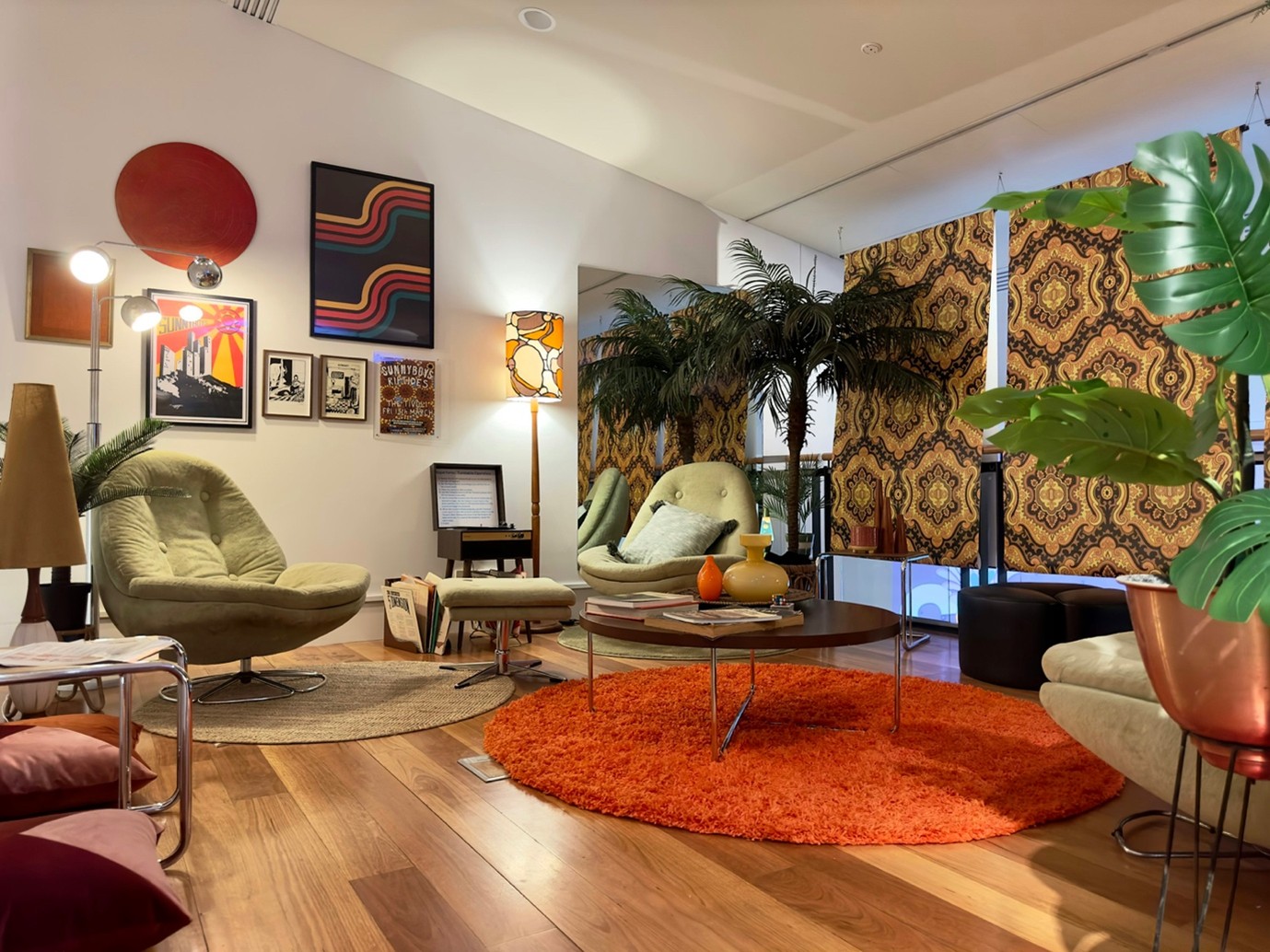
The main changes we see in designs now are:
- Interiors are becoming lived-in, textured, and expressive, not sterile or overly curated.
- Natural palettes and earthy tones (like deep browns, olive greens, and warm neutrals) are replacing cool greys and stark whites.
- The emphasis is on personal expression, comfort, and history. You’ll see people making “hobby rooms” or home workshops – spaces dedicated to music, drawing, crafting and etc.
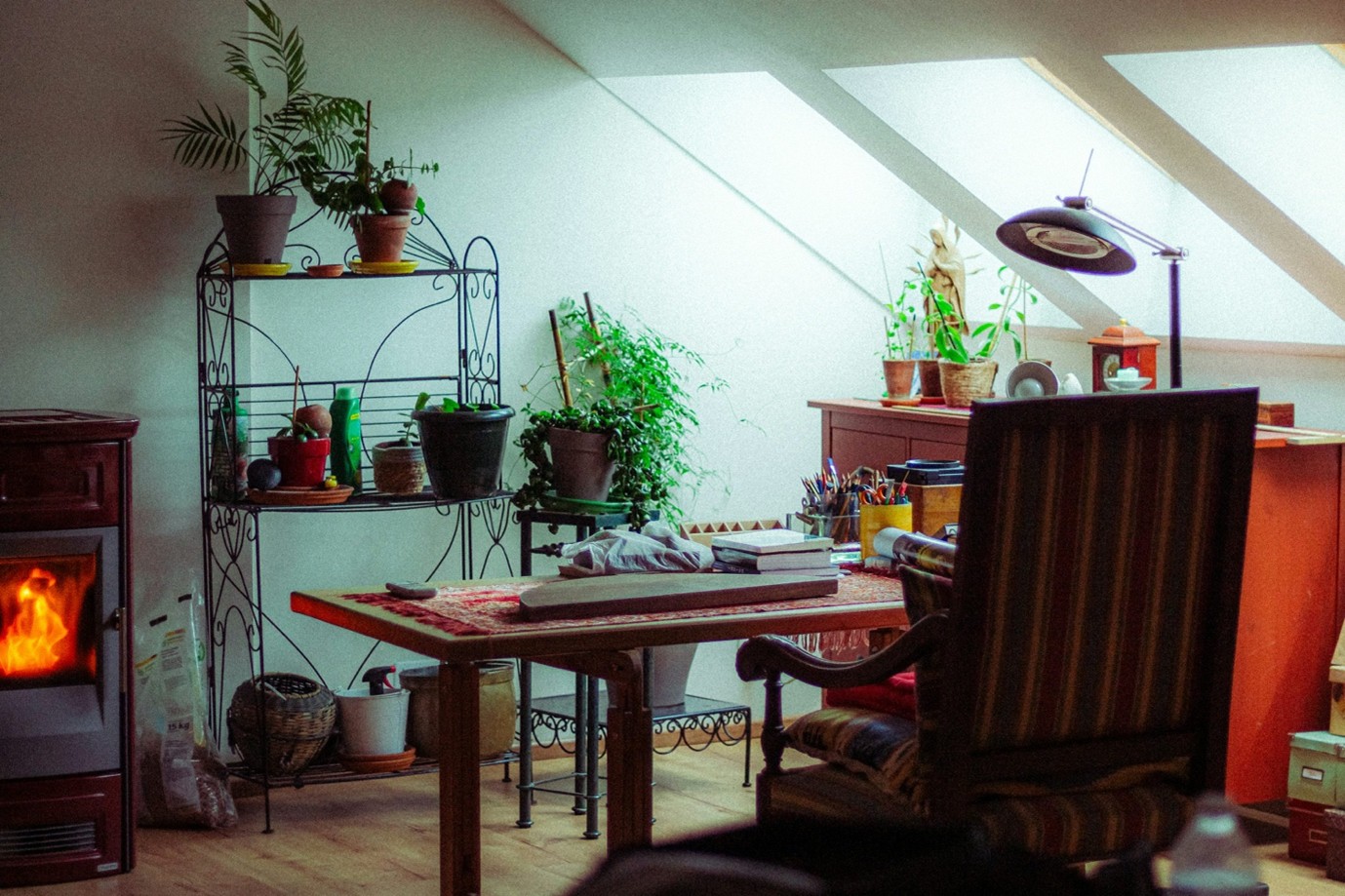

How do materials change your life for the better?
For decades, plastics, polyester, laminates, and other synthetic surfaces have dominated home interiors because they’re cheap, uniform, and easy to produce. They made design accessible, but they also contributed to environments that can feel flat, artificial, and, in many cases, unhealthy.
Let’s look at natural materials like wood, stone, leather, and linen. What difference do they bring to a space? They surely have their own character, they feel rich and can bring deep experiences into a space. All the variations in color, grain, and pattern matter, and it’s soomething that synthetics simply can’t replicate. A stone countertop, a slab of raw timber, or hand-woven linen upholstery adds layers of sensory richness that make spaces feel alive. These elements bring memory and meaning into a space, inviting us to slow down and appreciate what surrounds you.
Have you heard of the “boots theory”?
Imagine a rich man who buys expensive, top quality leather shoes for 50 euros. This single pair will last him at least another 5 years if he wears them every day. In contrast, there’s a man who chooses to save money and buys cheap plastic shoes for 20 euros, but they won’t even last him a year. It becomes obvious why the rich man stays rich.
Natural materials generally last longer than their synthetic counterparts. Wood, stone, and other genuine resources age beautifully, often improving with time rather than deteriorating quickly and needing replacement. We at Sama choose to be like the rich guy from the theory.
It is almost too obvious to mention that many synthetic materials can off-gas volatile compounds and contribute to poor indoor air quality. Natural materials like untreated wood, stone, or natural textiles are non-toxic, breathable, and healthier to live with. Considering that we sleep at home, come back to eat at home, spend most of our lives at home, this should be considered when designing the interiors.
So…?
The design shifts of 2026 aren’t random. They mirror something many of us feel on a deeper level. It is a desire to slow down, to reconnect with our surroundings, and to shape spaces that nourish our daily lives.
Your home is your most important living space that should support your routines, relax your body and mind, and reflect who you are. Choosing natural materials, personal expression, and thoughtful design is a happy return to intentional living.
Isn’t that something worth bringing into your everyday life?