
Christmas & New Year traditions
The end of the year has a way of slowing us down. Tables get fuller, lights get warmer, and time feels softer somehow. While Christmas and New Year are celebrated almost everywhere, how people mark these moments varies beautifully from culture to culture. Some traditions focus on food, others on sound, faith, or symbolism. But nearly all share one goal: to welcome the future with hope.
Let’s take a quiet journey around the parts of world that are Sama, and discover some of the most meaningful (and occasionally delightful) holiday traditions.
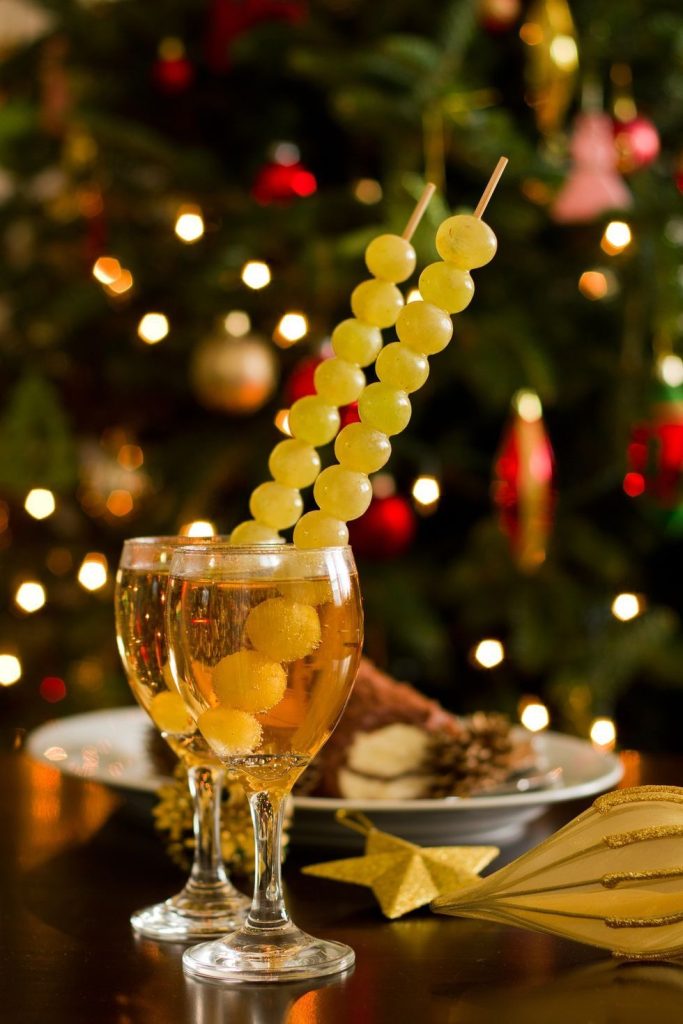
Spain: twelve grapes and one very fast countdown
In Spain, New Year’s Eve is measured not in seconds, but in grapes. At midnight, people eat 12 grapes (one with each bell chime), symbolizing luck for each month of the coming year. Miss a grape, and that month may not go as planned. It’s festive, symbolic, and mildly stressful.
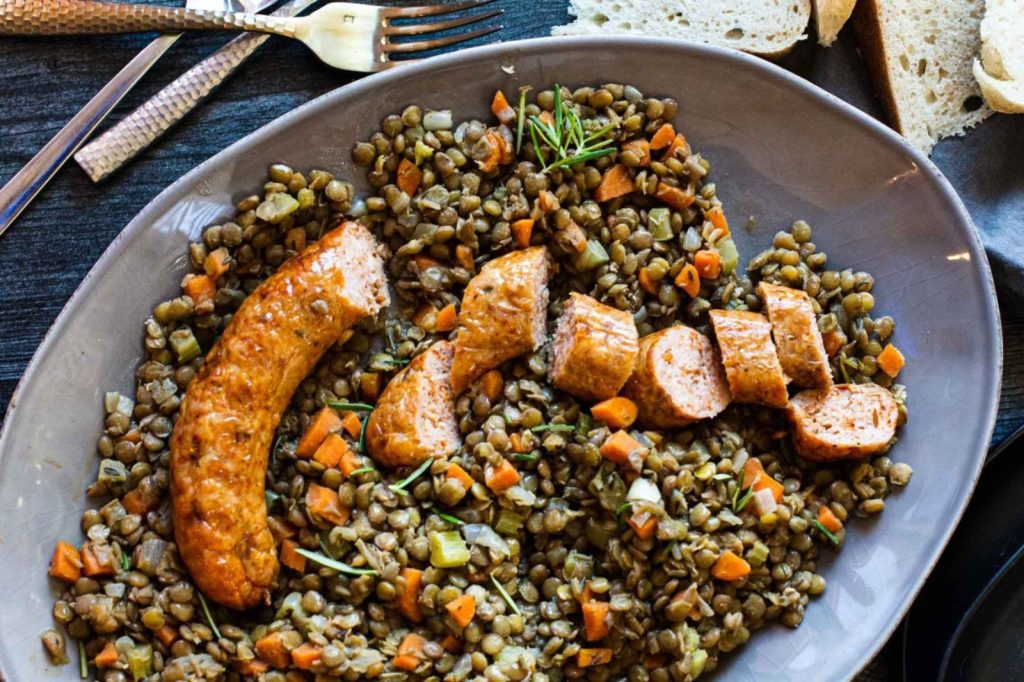
Italy: lentils for wealth and stability
In Italy, New Year’s traditions are grounded in food and symbolism. Lentils, often served with pork dishes like cotechino, are eaten because they resemble coins and are believed to bring prosperity. It’s a tradition rooted in abundance and continuity—simple, hearty, and reassuring, much like Italian cuisine itself.
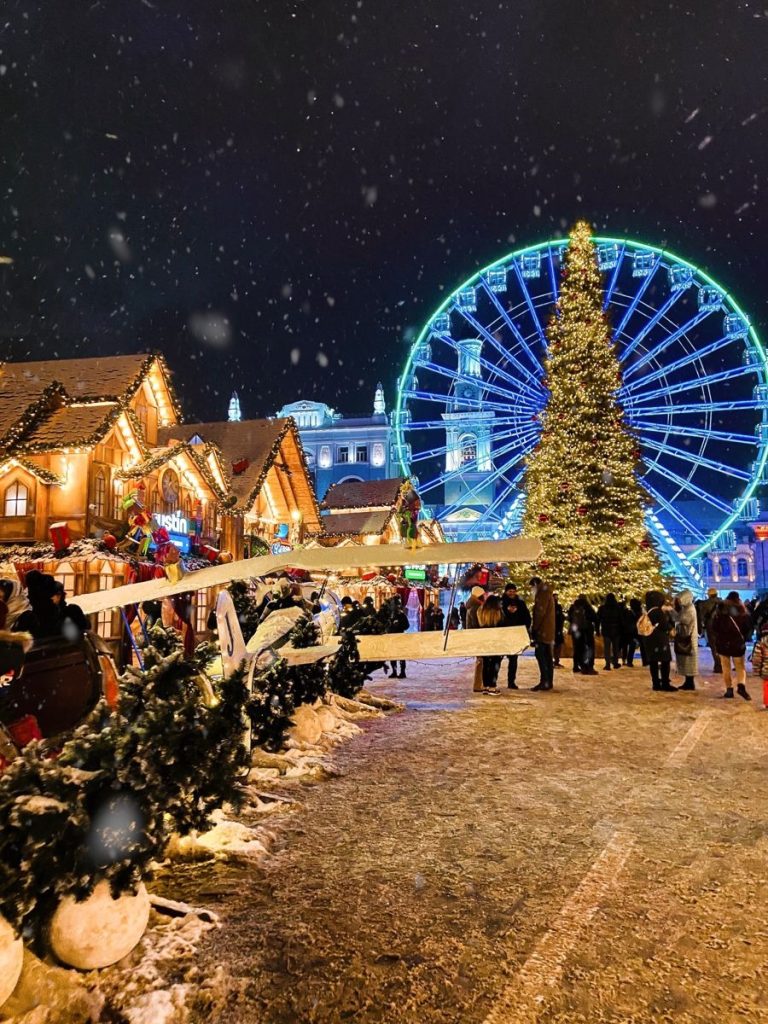
Ukraine: twelve dishes for Christmas Eve
Ukrainian Christmas Eve is marked by “Sviata Vecherya”, a sacred supper featuring 12 meatless dishes. The number is traditionally linked to the twelve apostles, and sometimes also to the twelve months of the year. Each dish has meaning, and the meal emphasizes gratitude, faith, and family— an invitation to slow down and reflect before the celebrations begin.
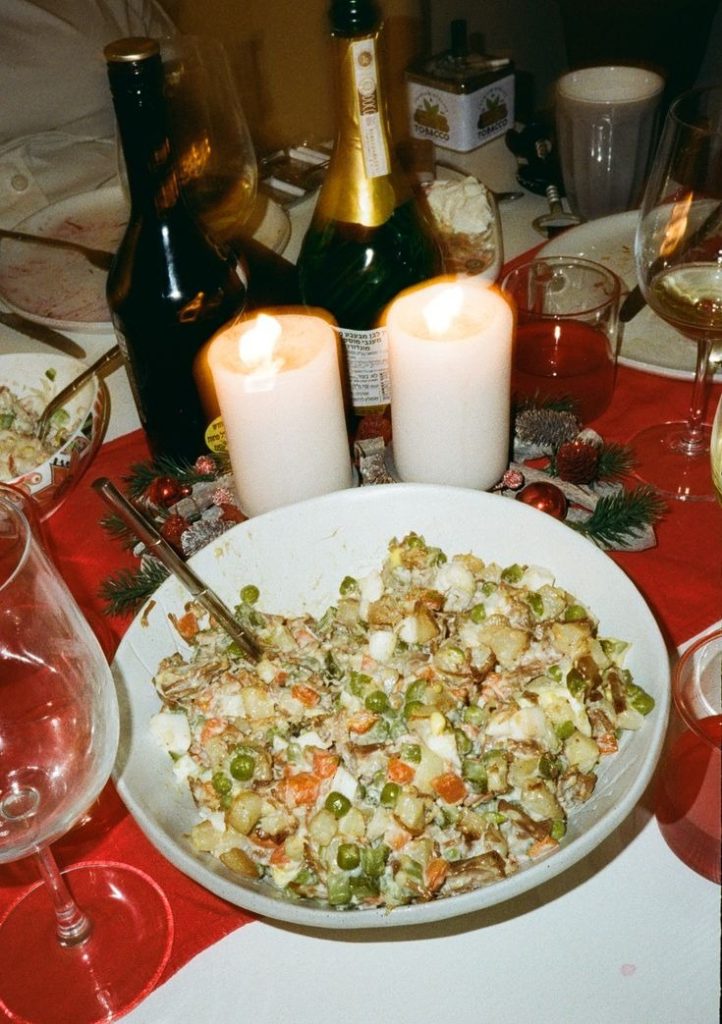
Russia: olivier salad and wishes with the Kremlin bells
In Russia, New Year’s is the main winter holiday. No celebration is complete without Olivier salad, a beloved classic made of finely chopped vegetables, eggs, and mayonnaise dressing—a dish that feels like tradition itself on a plate.
As midnight approaches, families gather around the TV to watch the Kremlin clock strike twelve. Many people make a wish during the chimes, believing this precise moment holds special power. It’s hopeful, ceremonial, and shared by millions at once.
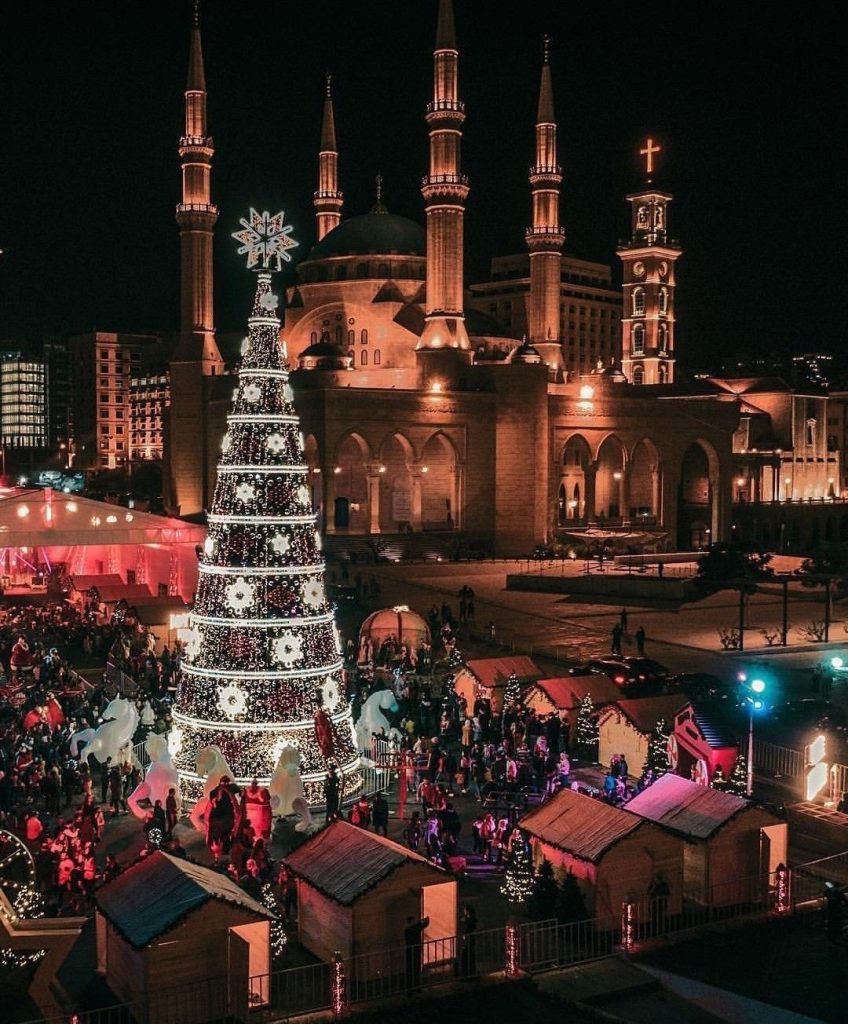
Lebanon: clearing the old to welcome the new
Across the Middle East, New Year traditions often focus on renewal. In Lebanon, some families symbolically discard cracked or damaged household items, embracing the idea of starting fresh. The message is simple and universal: what’s broken belongs to the past year. The new one deserves space and peace.
Interestingly, the same tradition of breaking old plates and glasses holds in Denmark too!
Norway: porridge, almonds, and folklore
Norwegian Christmas traditions blend warmth with folklore. A popular dish is rice porridge, and one bowl contains a hidden almond. Whoever finds it is said to receive good luck (and often a small prize).
In some households, porridge is also left out for the nisse, a mythical household guardian. Because even folklore spirits, it seems, appreciate being remembered during the holidays.
Sweden: Christmas Eve, Disney, and the power of routine
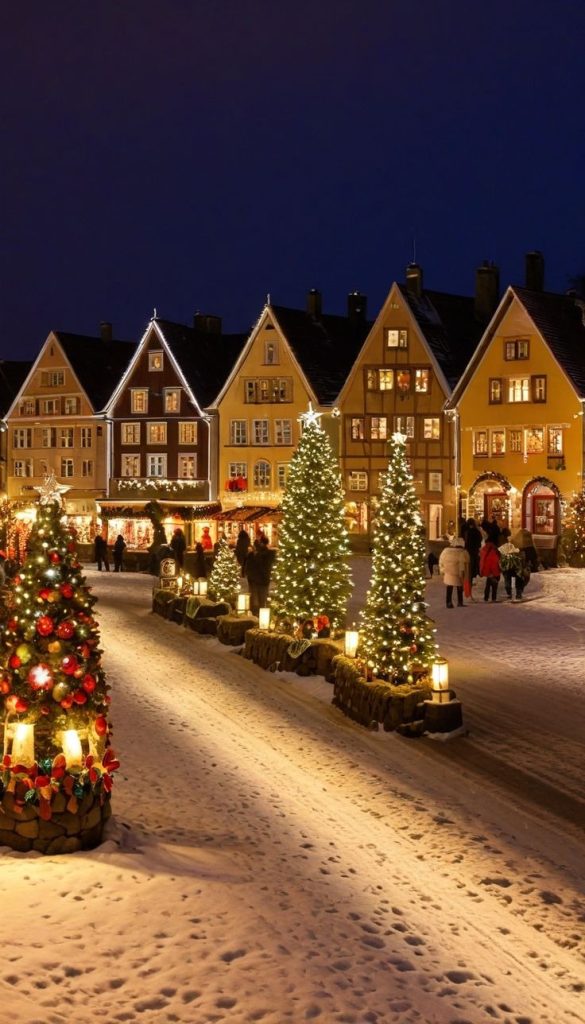
In Sweden, Christmas is celebrated on Christmas Eve, and at exactly 3:00 p.m., families gather to watch “Donald Duck and His Friends Wish You a Merry Christmas.” This tradition has been followed for generations not only in Sweden, but in Norway too.
The holiday meal, the Julbord, features an array of dishes like pickled herring, ham, and seasonal specialties. It’s less about extravagance and more about togetherness.

United Arab Emirates: A Global New Year Under One Sky
The UAE does not have a traditional Christmas or New Year rooted in religion, but it has become one of the most internationally celebrated New Year destinations in the world.
New Year’s Eve is marked by spectacular fireworks, particularly in cities like Dubai and Abu Dhabi, where millions gather (or watch from around the world) to welcome the year together. Hotels, restaurants, and public spaces host celebrations reflecting the country’s diverse population, with traditions borrowed and blended from many cultures.

Korea: a bowl of soup and a new beginning
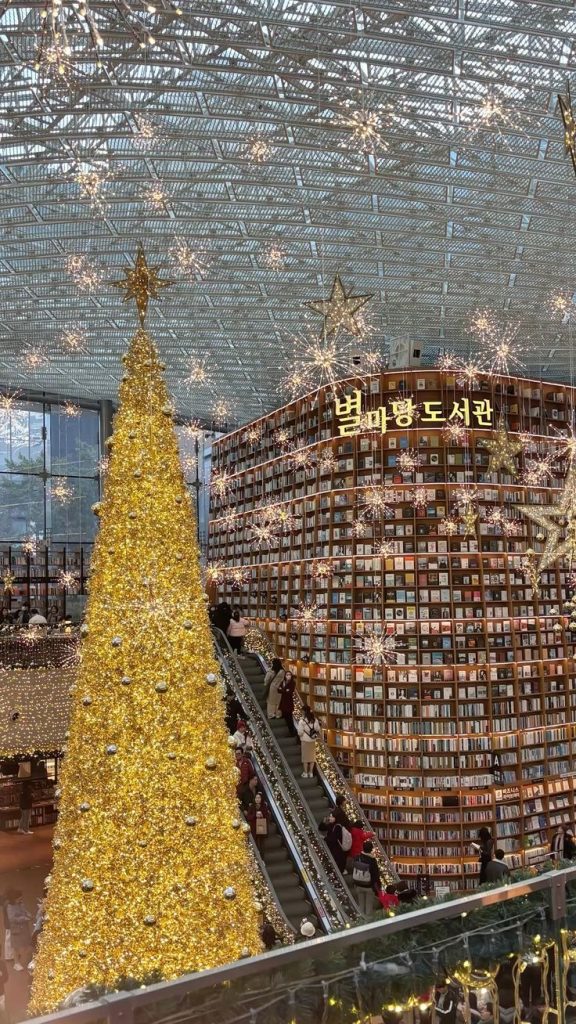
In Korea, the Lunar New Year (Seollal) is deeply significant. One of its central foods is tteokguk, a rice cake soup. Eating it symbolizes gaining a year of age and welcoming good fortune.
It’s warm, symbolic, and deeply tied to family gatherings—a reminder that growth is both celebrated and shared.
Japan: Christmas Dinner, Courtesy of KFC
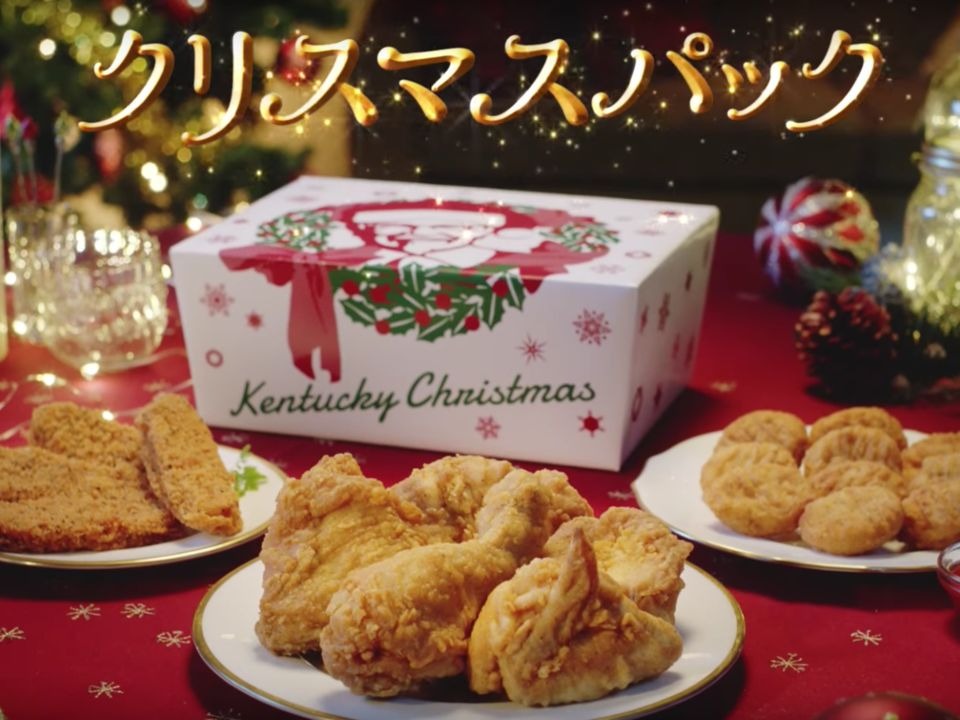
In Japan, Christmas is not a religious holiday—but it is a culinary event. Thanks to a highly successful marketing campaign in the 1970s, Kentucky Fried Chicken has become the unofficial Christmas meal.
Families and couples often pre-order KFC weeks in advance, with long lines forming on Christmas Eve. The meal is festive, familiar, and entirely unique to Japan.
Germany: reading the future and celebrating advent
Germany’s holiday season begins with Advent, a time of preparation marked by wreaths, calendars, and candlelight.
On New Year’s Eve, many people practice Bleigießen, a traditional form of fortune-telling where melted material is poured into water and interpreted. Lucky symbols like pigs and mushrooms often appear in decorations and sweets.
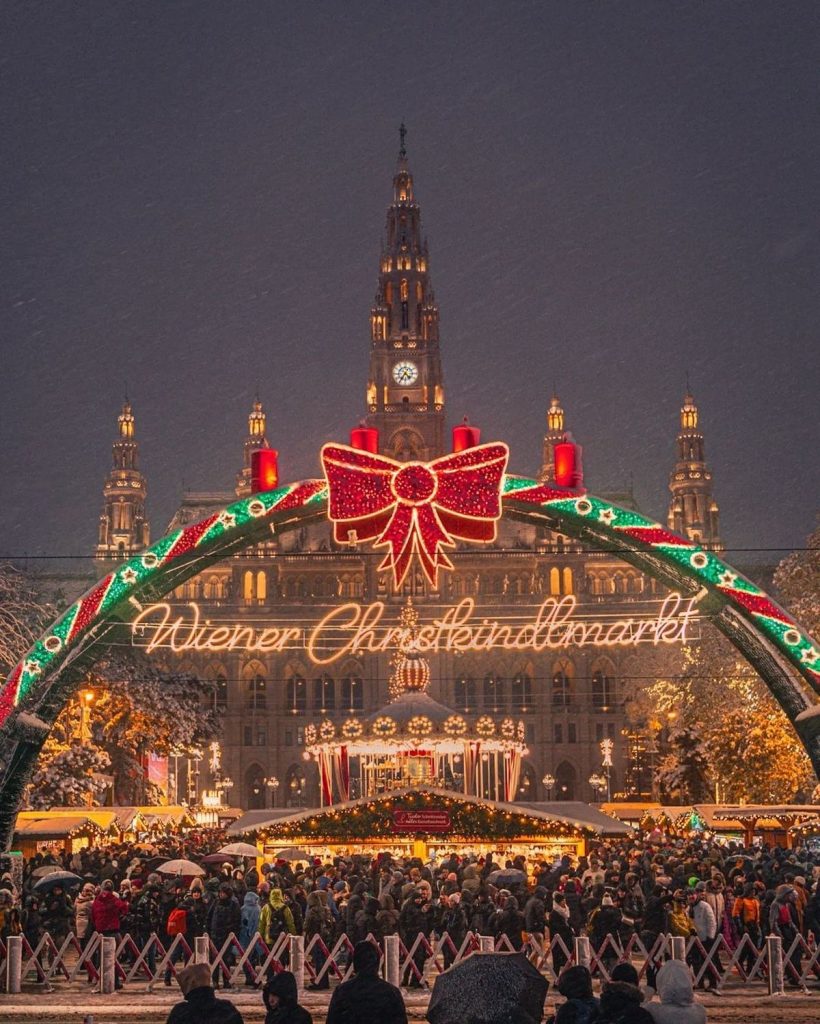
France: festive dinners and sweet traditions
In France, New Year’s Eve is celebrated with le Réveillon, a long, elegant dinner shared with friends or family.
At Christmas, children may leave their shoes by the fireplace for Père Noël, and dessert tables often feature the iconic bûche de Noël, a yule log cake that turns tradition into edible art.
A shared ending, many beautiful beginnings
From grapes to bells, soups to salads, these traditions remind us that the turn of the year is a moment we choose to honor.
Some cultures welcome the future by eating, others by listening, some by remembering, and some by letting go. Different paths, same intention: to step forward with hope.
And if nothing else, the holidays prove one universal truth:
No matter where you are, the new year always tastes a little better when it’s shared.


