Dubai
The United Arab Emirates is a country composed of what we could describe as several small states or provinces, each one very different from the others. They share, of course, a common cultural and religious DNA, yet each has its own way of understanding its identity and presenting itself to the world. Among all the emirates — Ajman, Sharjah, Ras al-Khaimah, Umm al-Quwain, Abu Dhabi, and Dubai — Dubai stands out as the most popular, the most well-known, and unquestionably the most famous.
Dubai is also the most open. It is the most liberal and Western-facing of the Arab Muslim cities, far more so than the rest of the cities throughout the Gulf and other Muslim-majority regions of Central Asia. The city is led by an impressive emir, a man of remarkable intelligence and business acumen, with a visionary understanding of the future and of the strategic position Dubai must occupy, I would say that the UAE, and Dubai in particular, has been extremely clever in ensuring that everyone feels welcome there.
Their strategy is fascinating. The UAE acknowledges that it has multiple emirates, each like a distinct province or region, and it intentionally designates just one of them — the “everything is allowed” emirate — Dubai. Abu Dhabi is more moderate, while the remaining emirates are conservative, some of them extremely so.
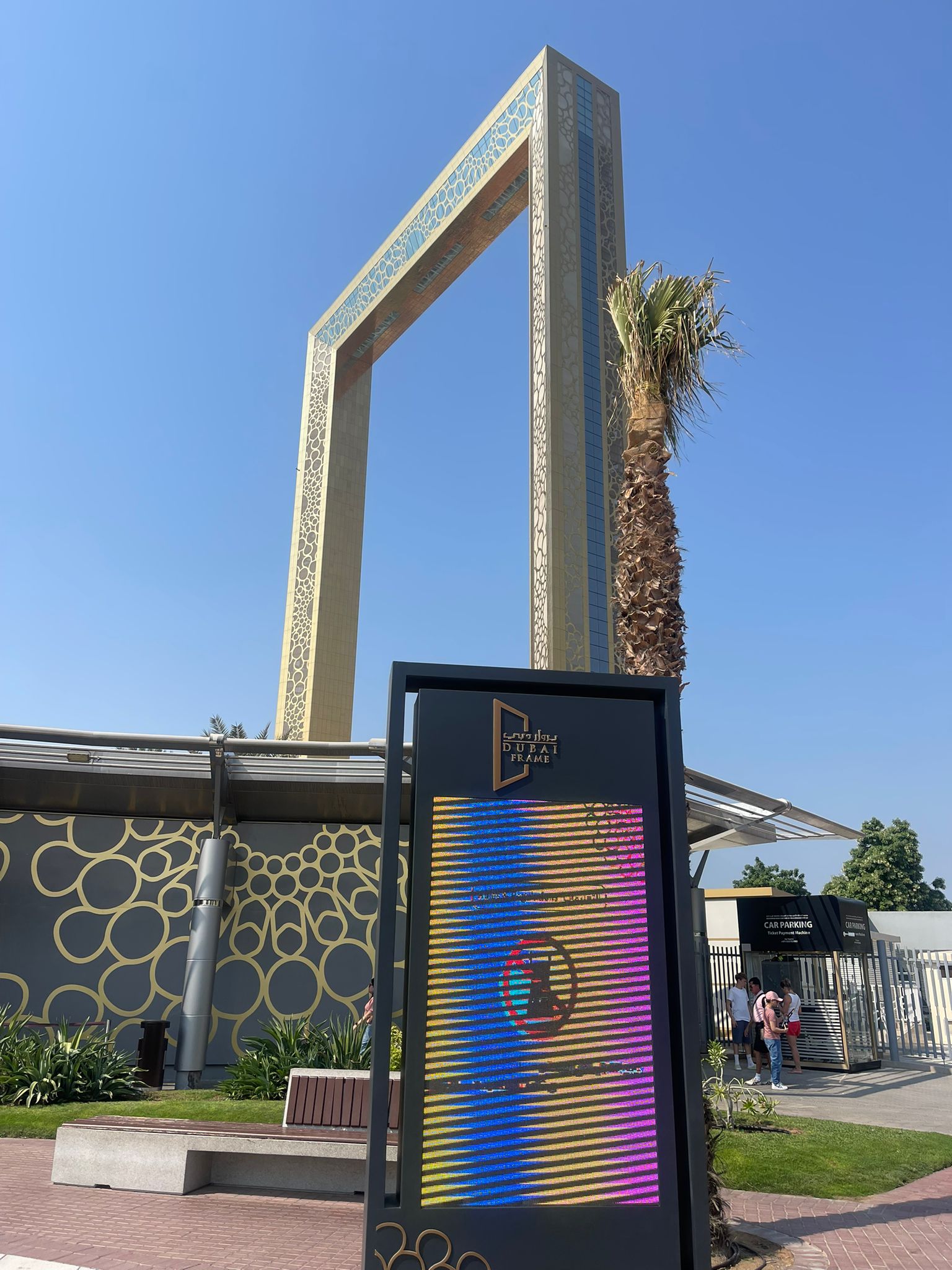
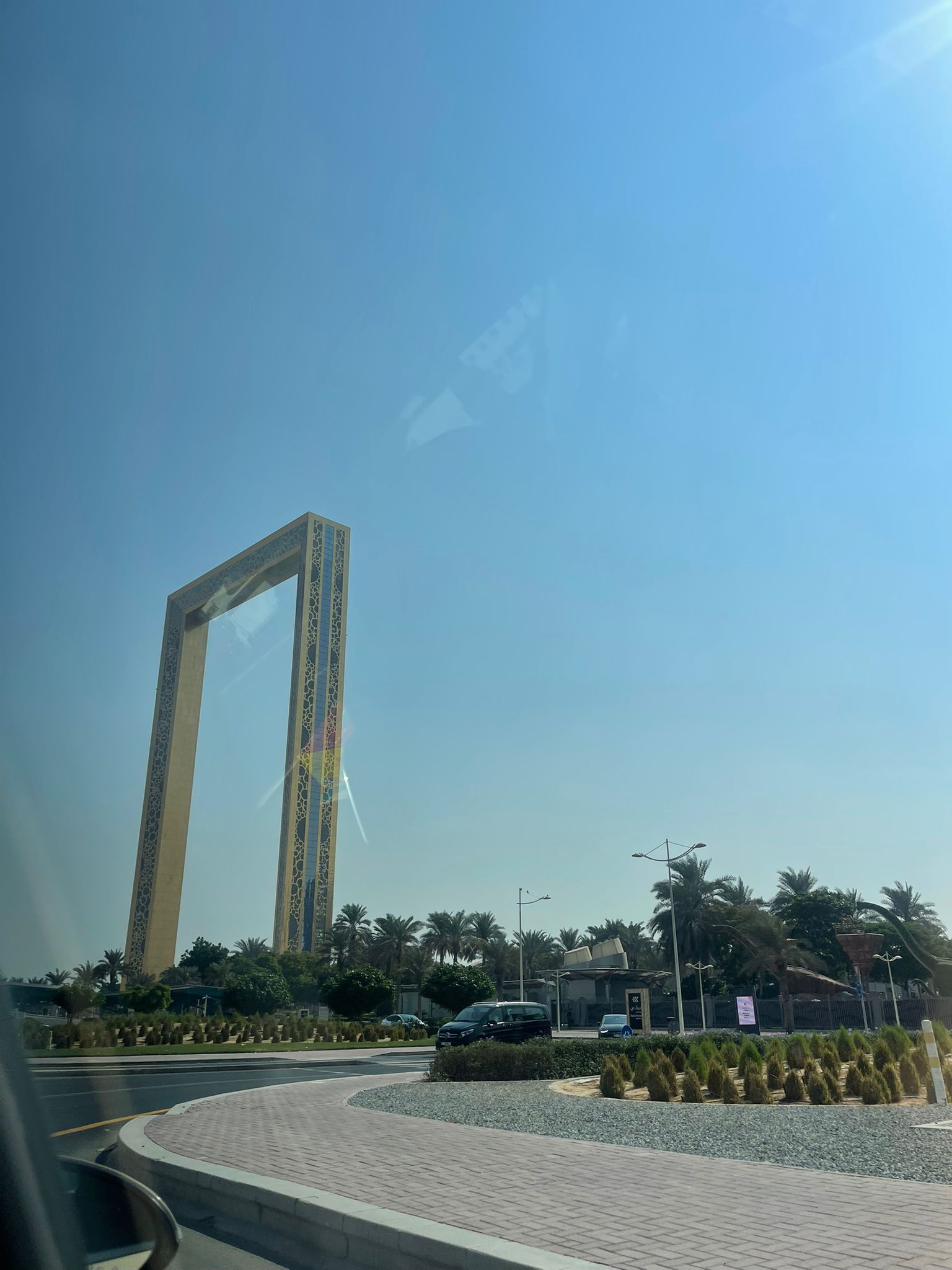
Why would they adopt such a clever model? Quite simply, because not everyone in the country is comfortable living alongside Western visitors who dress and behave differently. While visitors are encouraged to respect local norms, the contrast between cities is immense. Compare Dubai with Riyadh, for example, even Riyadh after it opened to tourism post-pandemic, when visas became available online instead of through the formerly arduous, discriminatory process that varied depending on gender or whether a woman was traveling alone. Some citizens of the UAE dislike seeing women walking around without head coverings, without modest clothing, or wearing miniskirts and shorts as is perfectly common in Dubai. So, very intelligently, each emirate has been given its own character. Those who prefer a conservative lifestyle, aligned with their religious and cultural values, can simply choose to live in any of the other emirates.
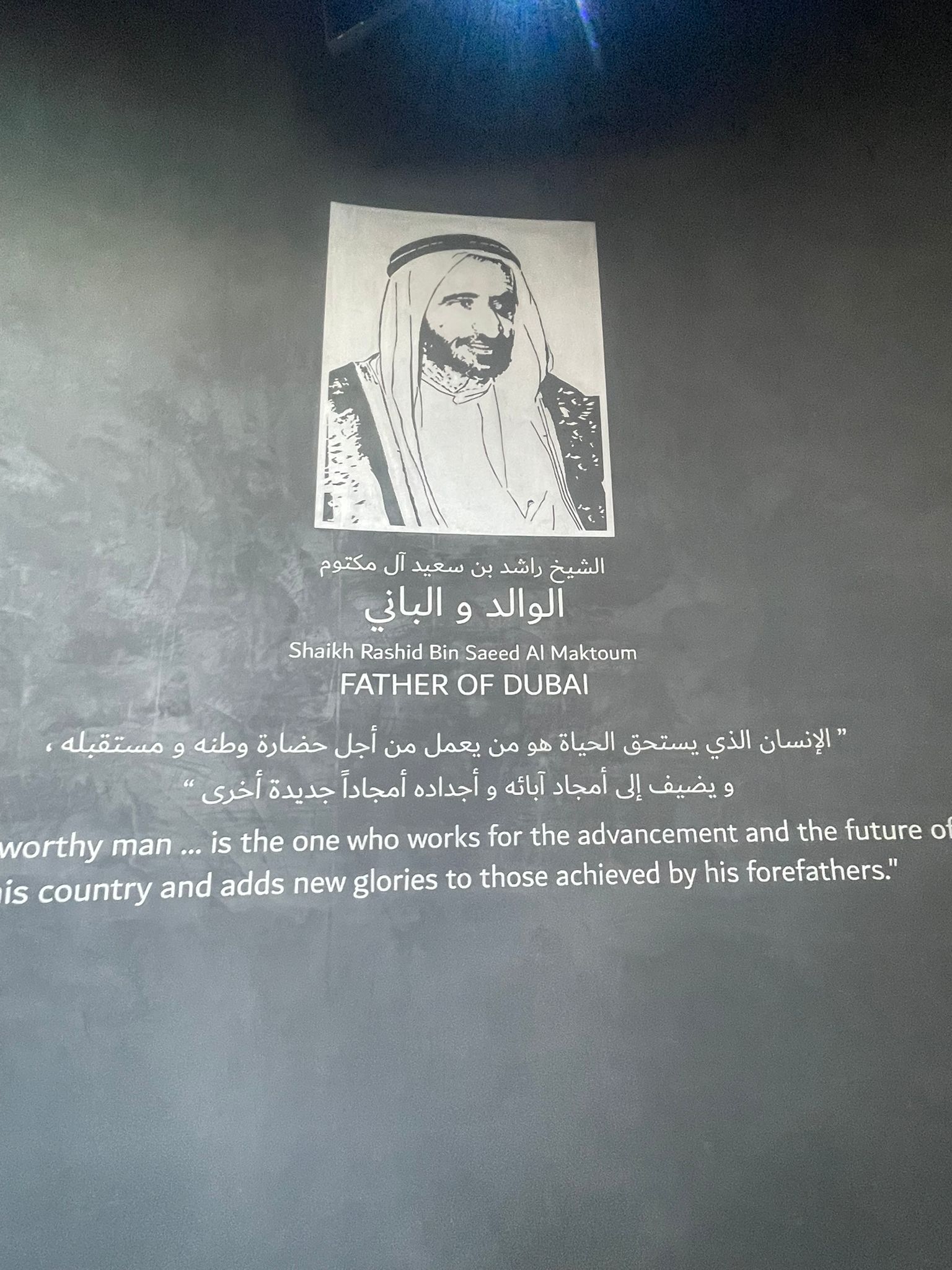
Dubai, meanwhile, becomes the jewel of the crown — the emirate that brings work and wealth home. It is the one that goes out into the world, attracts investment, and returns with the resources that fuel the nation. It is a city where absolutely everyone is welcome. Palestinians live alongside Jews; Iraqis and Iranians; Russians and Ukrainians; Spaniards, British, Americans, Germans — people from everywhere coexist side by side.
And above all, what is most welcome in Dubai is investment. Until just a few years ago, and still true in the other emirates and many neighboring countries, business owners were required by law to have a local partner who held 51% ownership. Dubai eventually modified this rule, allowing foreign investors to own 100% of their businesses and reassuring them that they would not need a local partner. As a result, billions upon billions of dollars in investment have poured in.
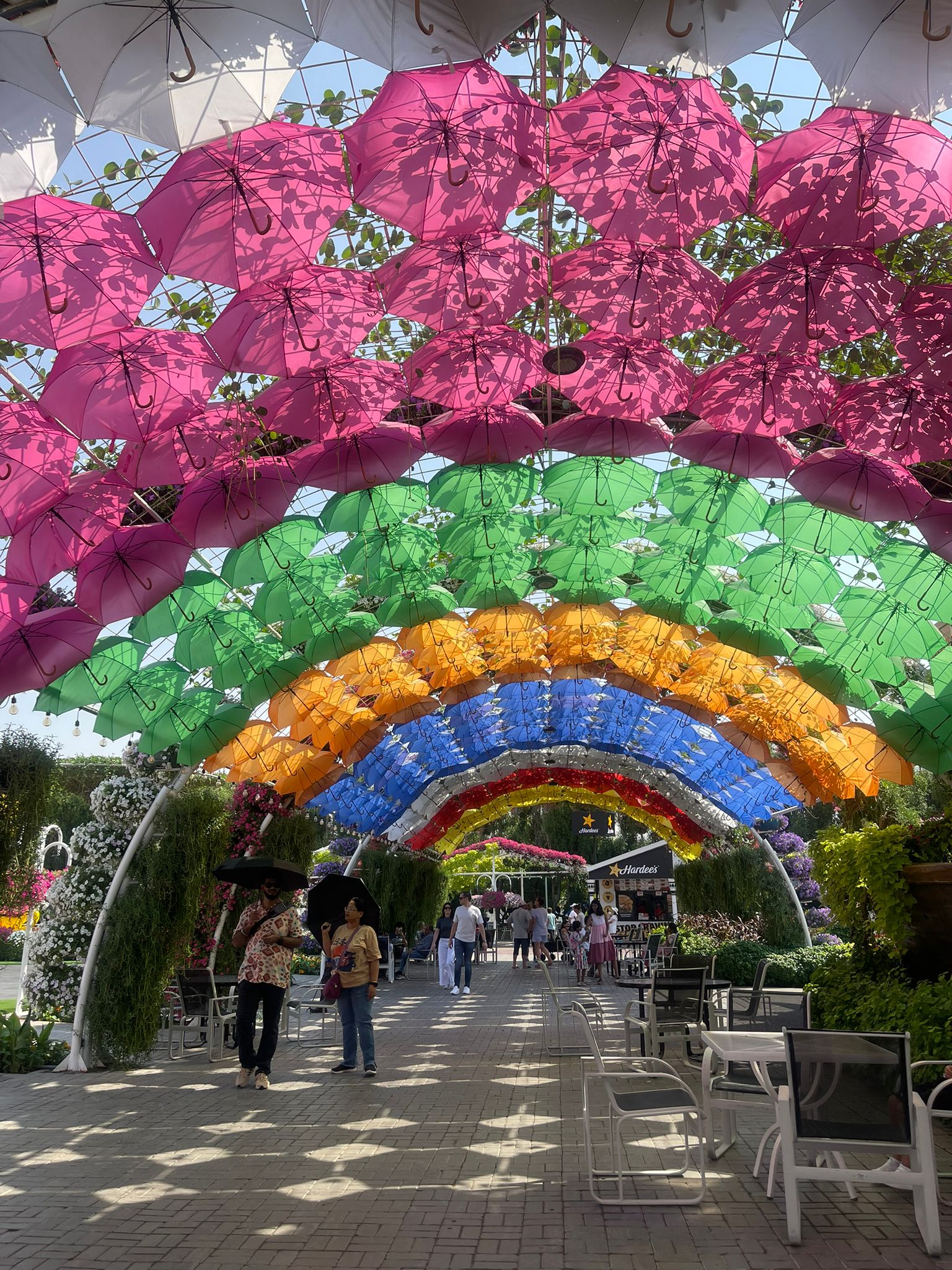
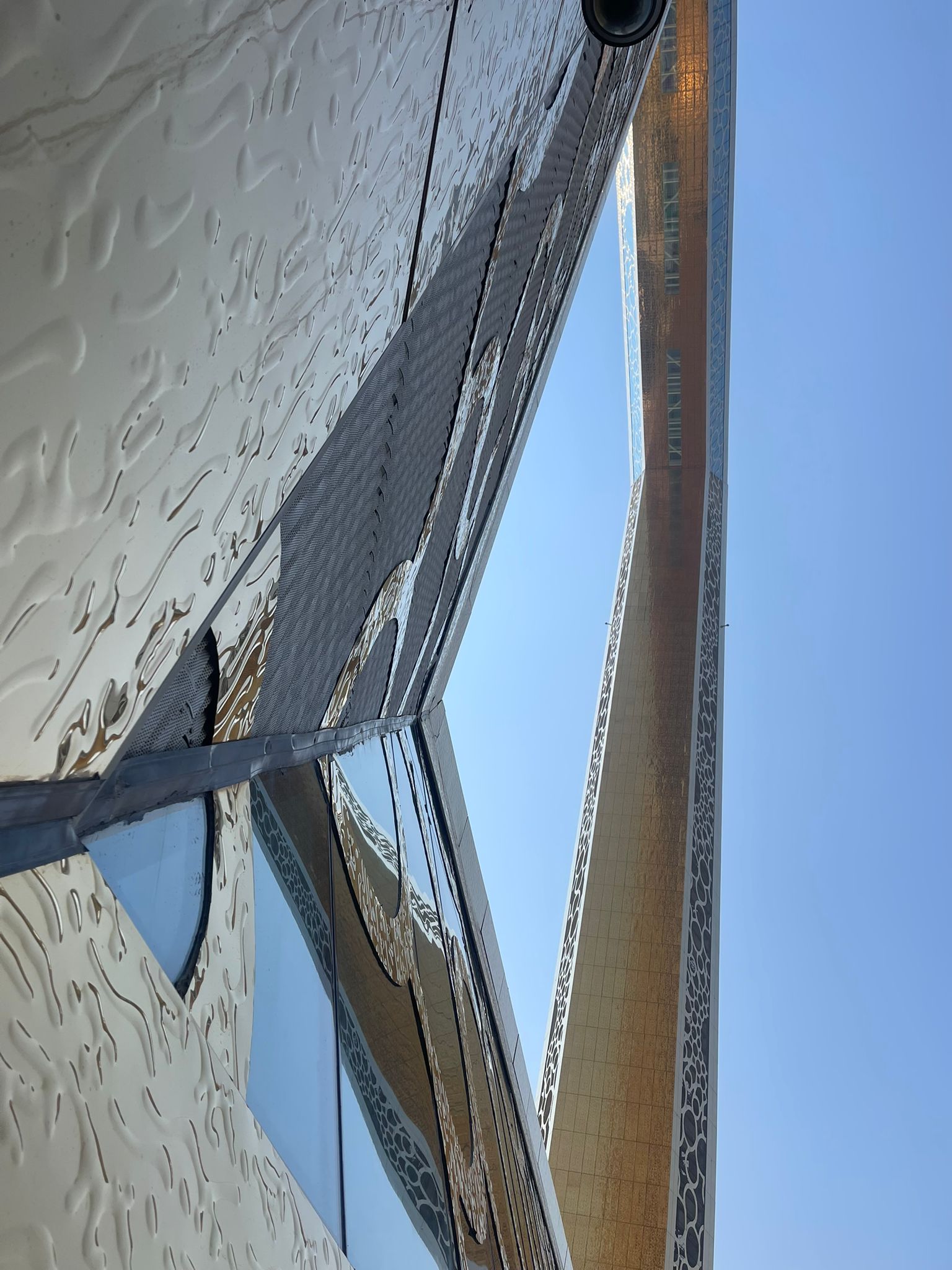
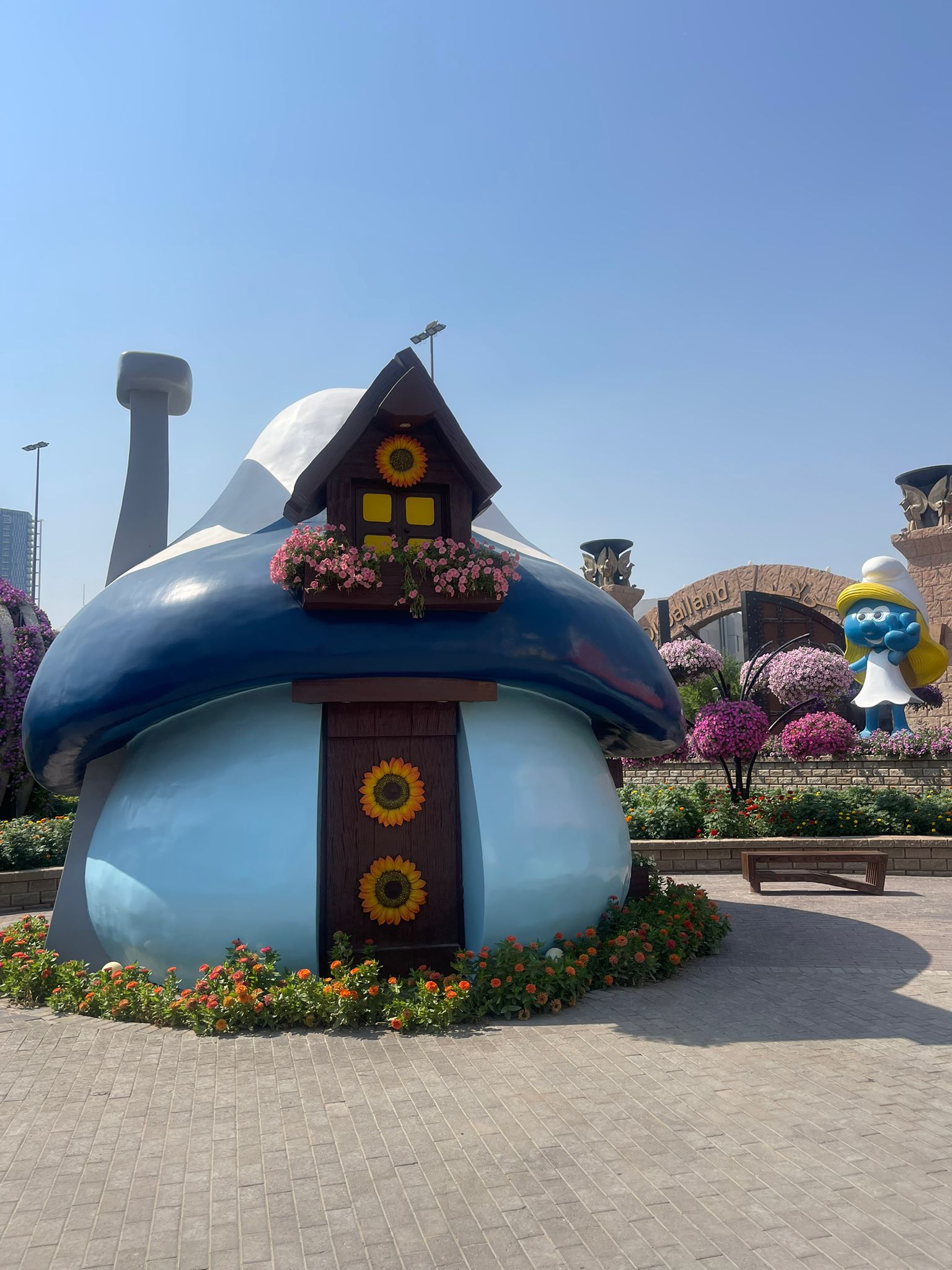
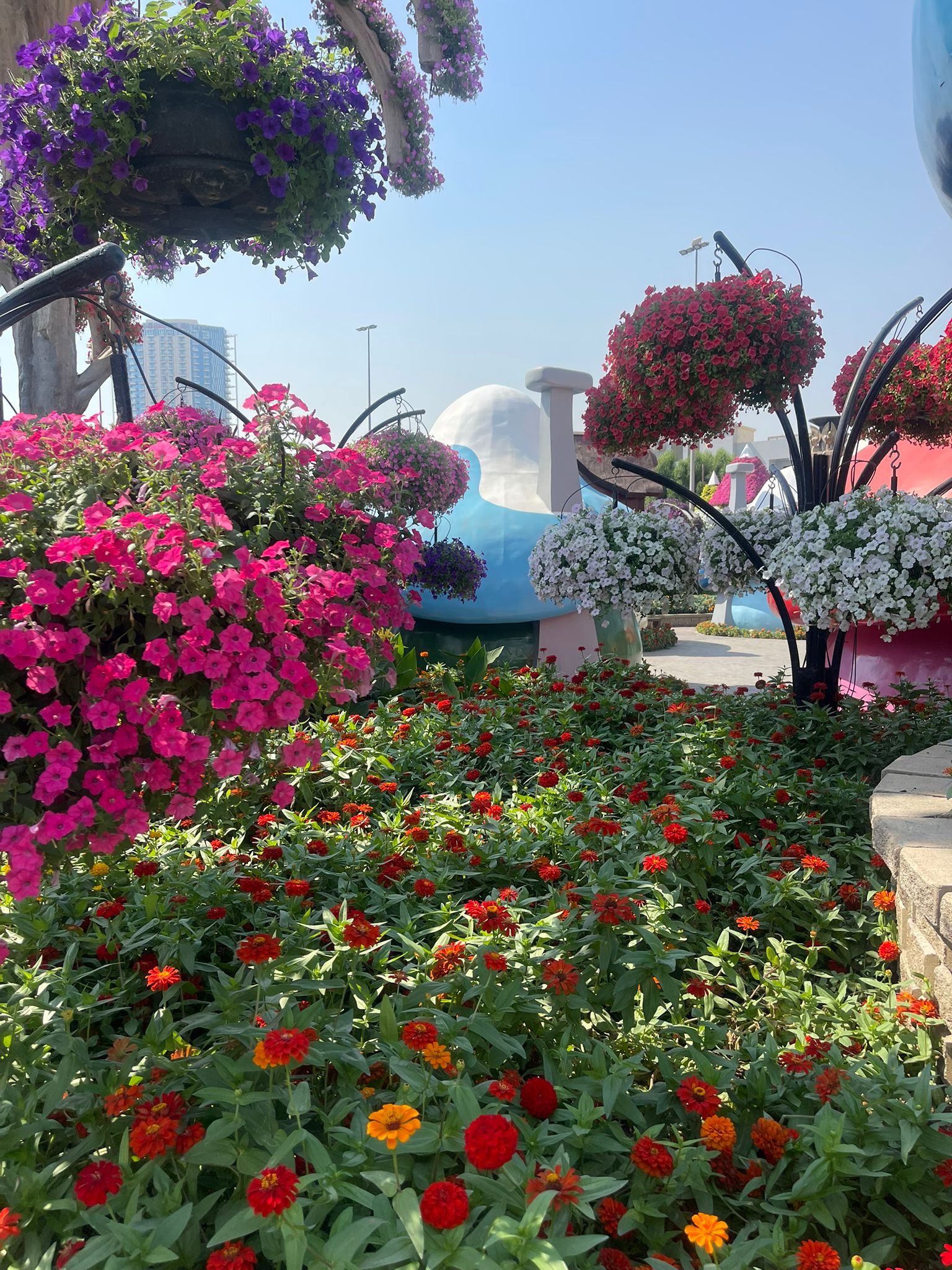
Dubai also introduced a small tax, imposed only beyond certain profit thresholds, symbolic compared to Western standards, particularly compared to Spain. The tax is 10%, and only applies under specific conditions, such as companies generating profits equivalent to around €50,000 or more. Additionally, Dubai grants residency permits. Unlike Western countries, especially Spain, they do not grant nationality, believing it to be a precious gift reserved for those born in the country. But everyone is welcome to arrive, invest, earn money, take their money if they wish, and live there under a residency permit—just not become citizens.
All of this has drawn the attention of the Arab world. Many countries are now looking at Dubai as a model worth copying. Saudi Arabia, for instance — the birthplace of Islam and home to Mecca, where every Muslim must make a pilgrimage at least once — was once radically closed to the world. But it eventually realized that such isolation was unsustainable. To continue developing and enriching itself, it needed tourism, and now it is imitating Dubai at remarkable speed.
When I first visited Dubai, I was captivated by its contrasts. It is a place of silence and noise at once, a city where everything is possible, where if something exists, it exists there, and if it does not exist there, then perhaps it does not exist anywhere. In every sector — leisure, culture, hospitality — the standards are astonishing. A four-star hotel feels like an eighteen-star hotel in Europe. The quality, the service, the attentiveness everywhere one goes are exceptional.
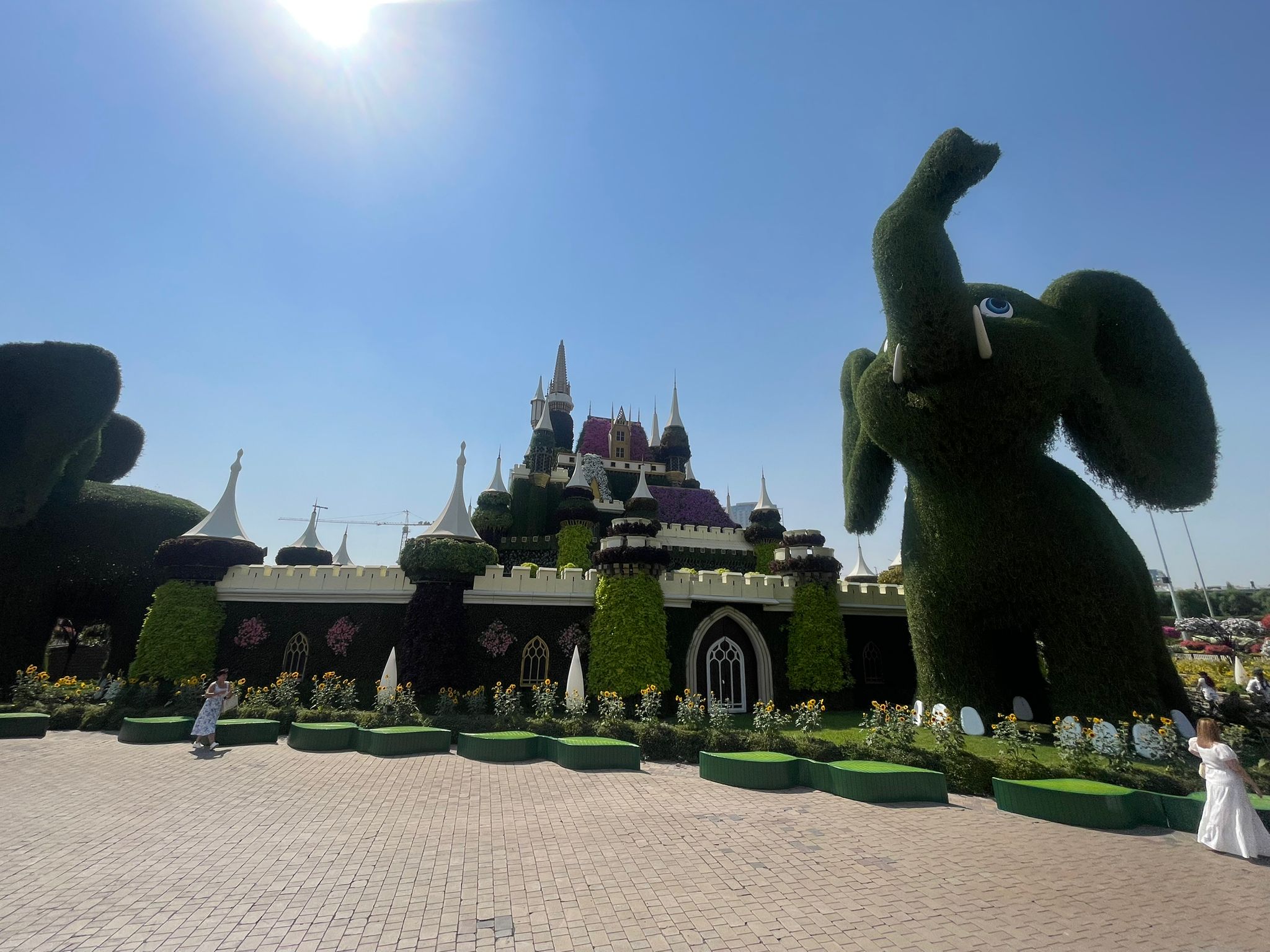
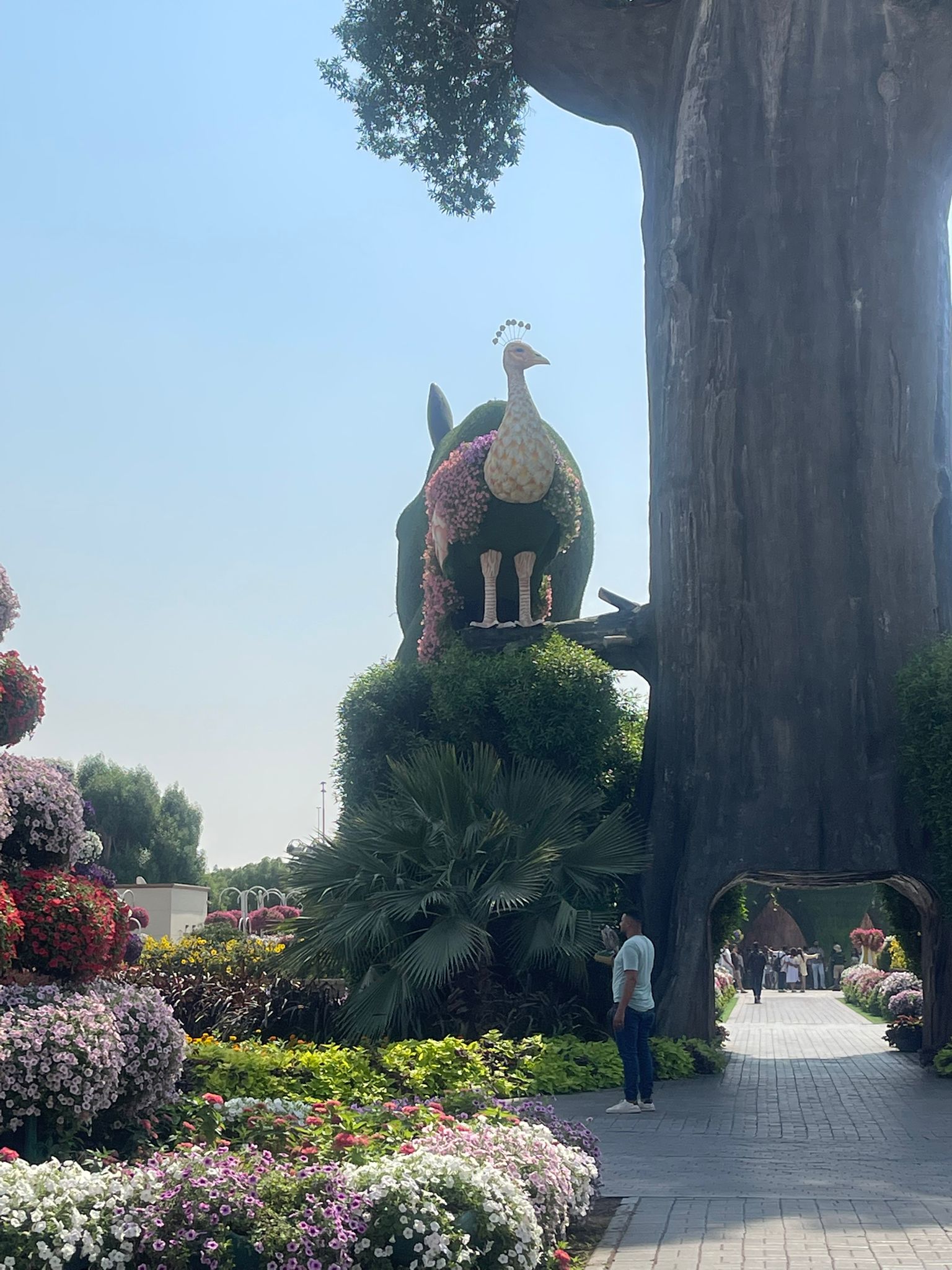
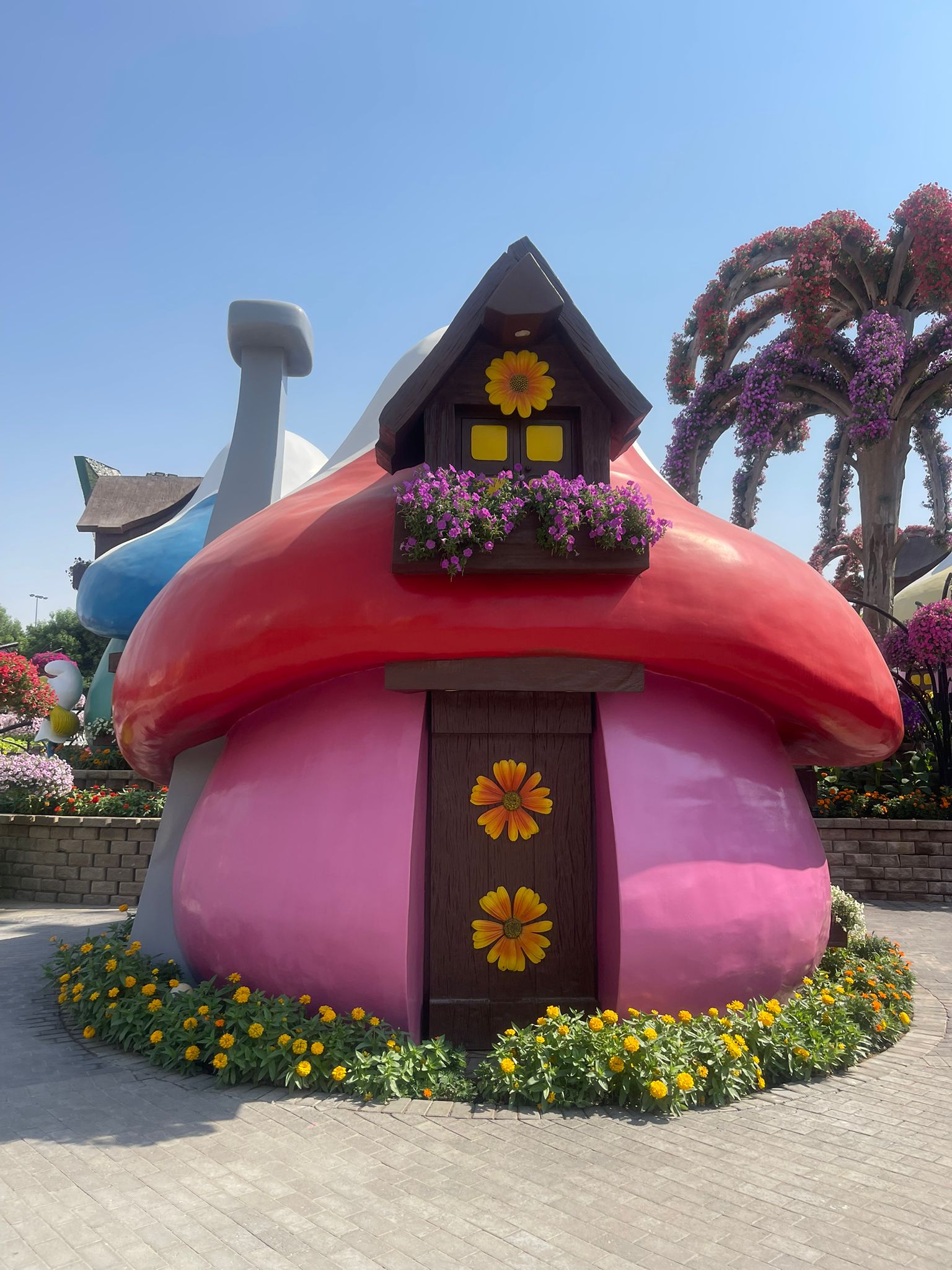
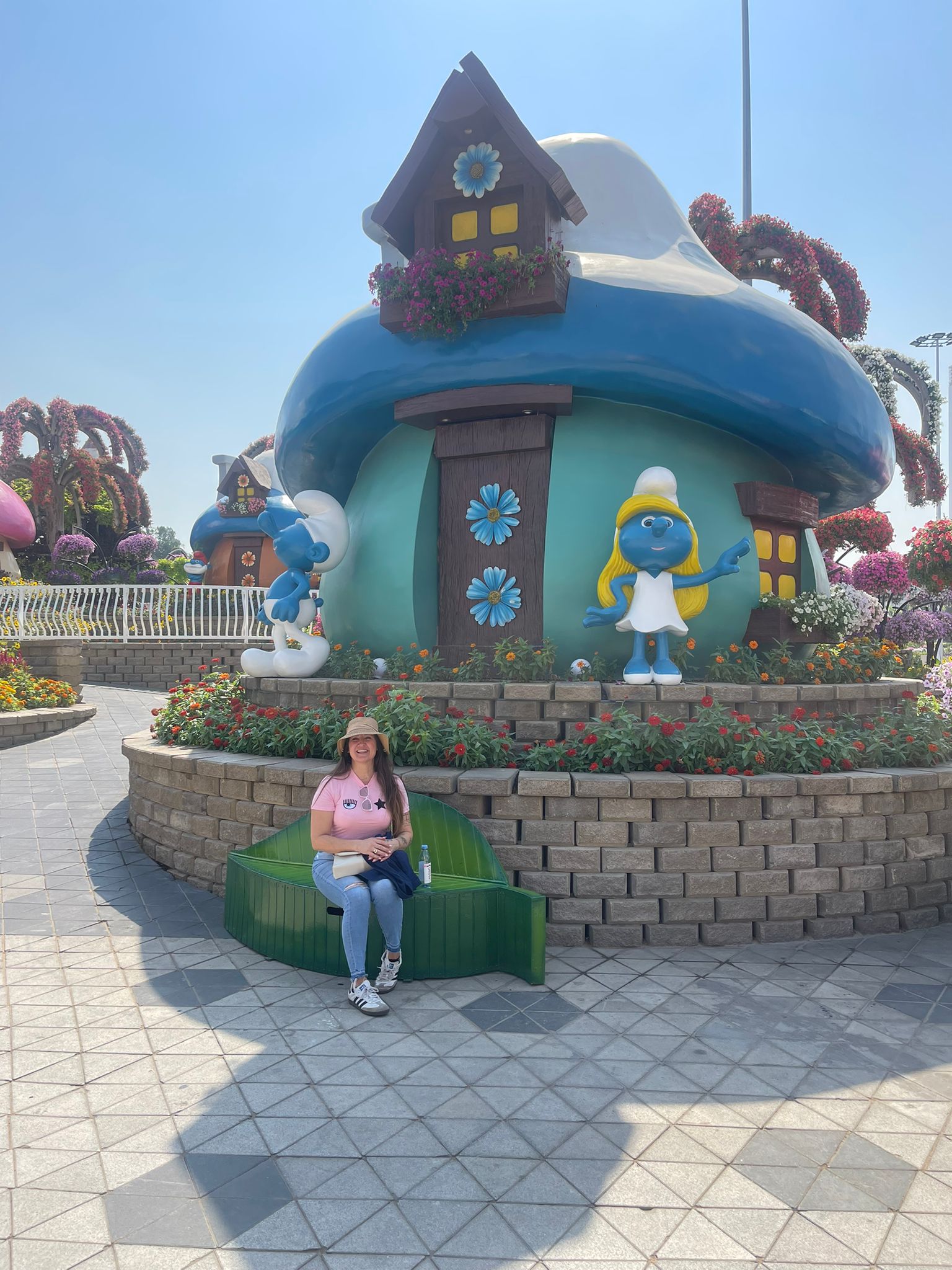
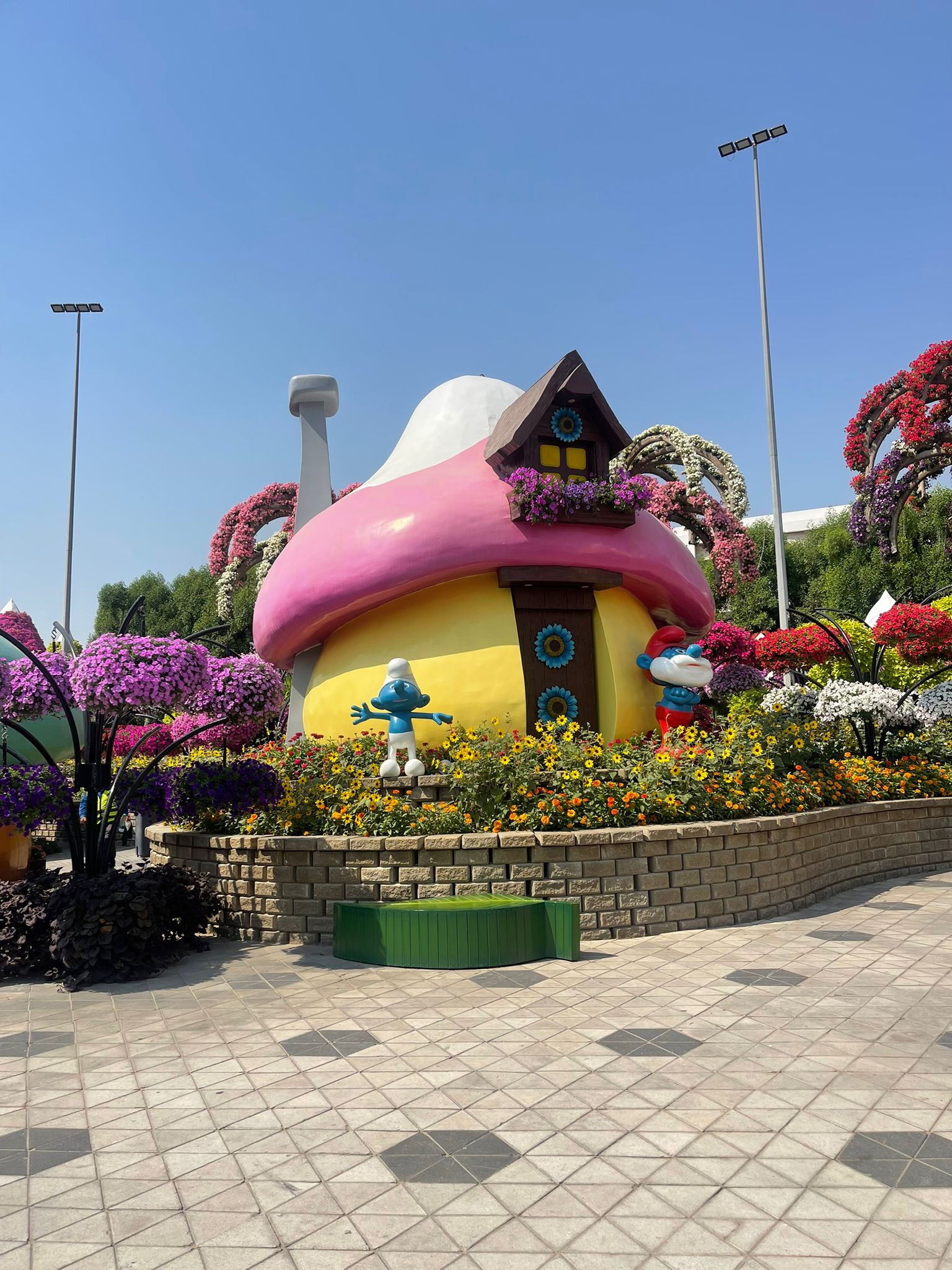
It is an extremely safe city, where one could leave an envelope containing 100,000 euros, or a million euros, or just one euro, and no one would touch it. If someone picked it up, it would only be to deliver it to the proper authorities. Islam penalizes misconduct harshly, sometimes physically, and even with capital punishment in the case of theft. I believe one of the successes of this autodidactic monarchy is precisely that it promotes wellbeing and security. It promotes work; they do not want to see beggars or people living in poverty. Everything is regulated through employment contracts. You must enter with a visa; if it is a work visa, the company must sponsor you, support you, vouch for you. If you are fired, you have a month, later extended to up to three months, to find another job. If you do not, you are removed from the country. In this sense, the wellbeing of residents and investors is protected to the extreme.
It is a place where one feels entirely safe, where cleanliness, care, responsibility, and respect for others are deeply rooted. No one throws trash on the ground; no one raises their voice; people behave impeccably, and that atmosphere is palpable. At the same time, Dubai has become a paradise for those (Arab or not) who choose to live there or visit, whether for hours, days, weeks, or years. Everything is available there. Naturally, the contrasts persist: Alcohol is not permitted everywhere, but some establishments and hotels have licenses. “Almost everything is allowed”, but always in a controlled, organized, and supervised manner.
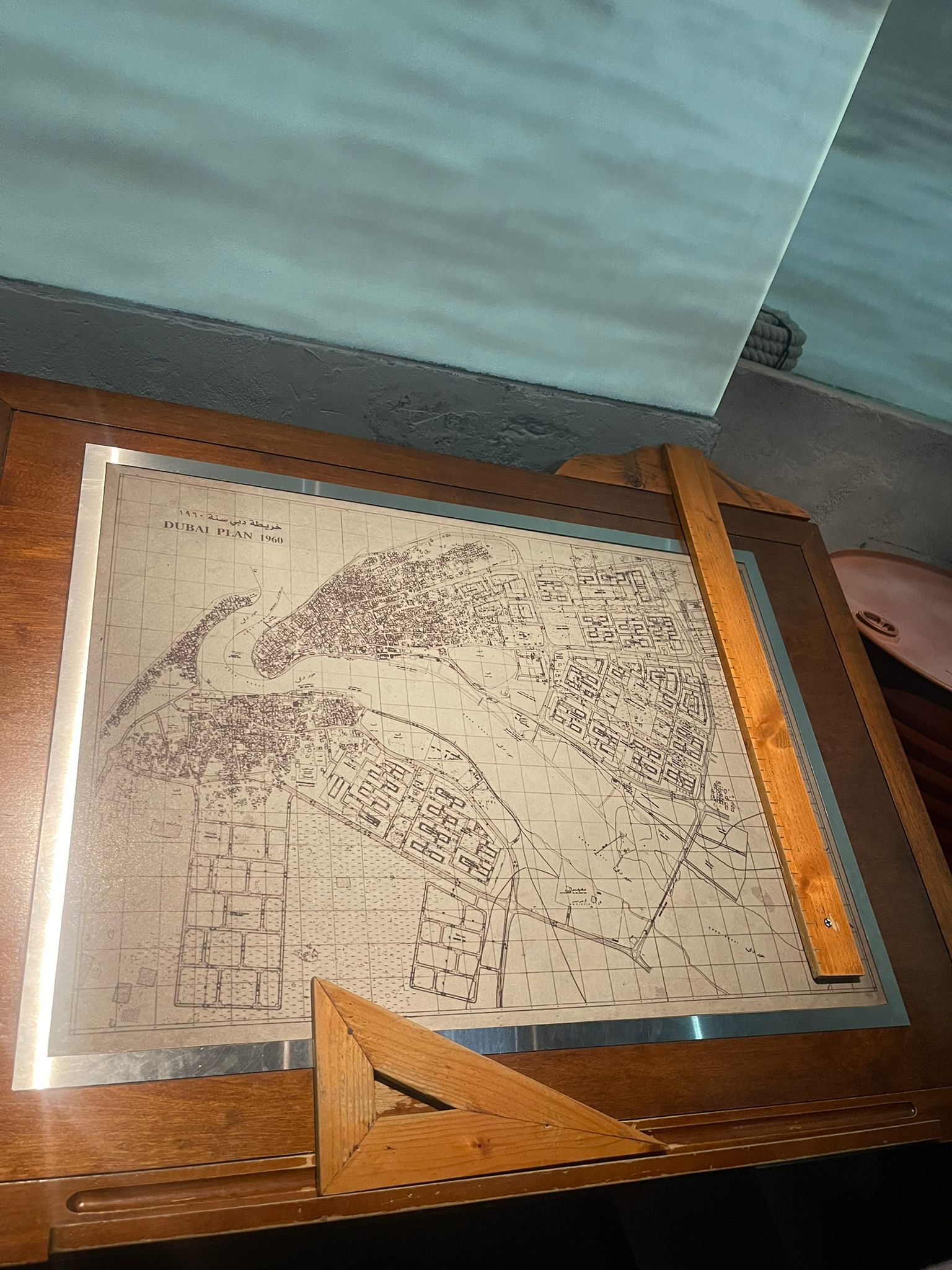
It is worth remembering that only fifty years ago, these people were essentially Bedouins. There was no development, nothing resembling the modern world. Compared to European cities or Spain, with centuries of history, it is astonishing that in merely sixty years the UAE, especially Dubai and Abu Dhabi, has managed to advance so rapidly and become pioneers in so many fields.
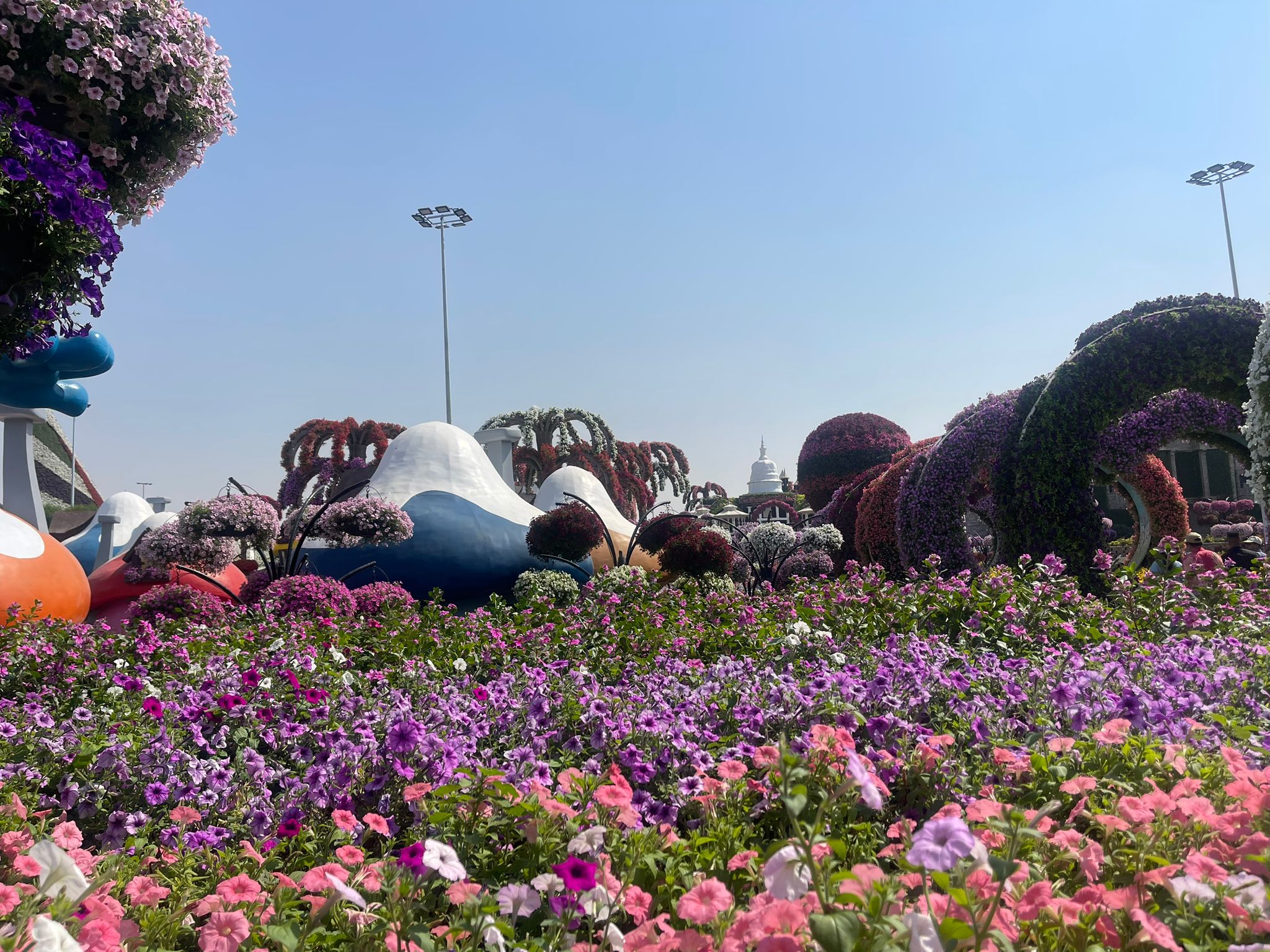
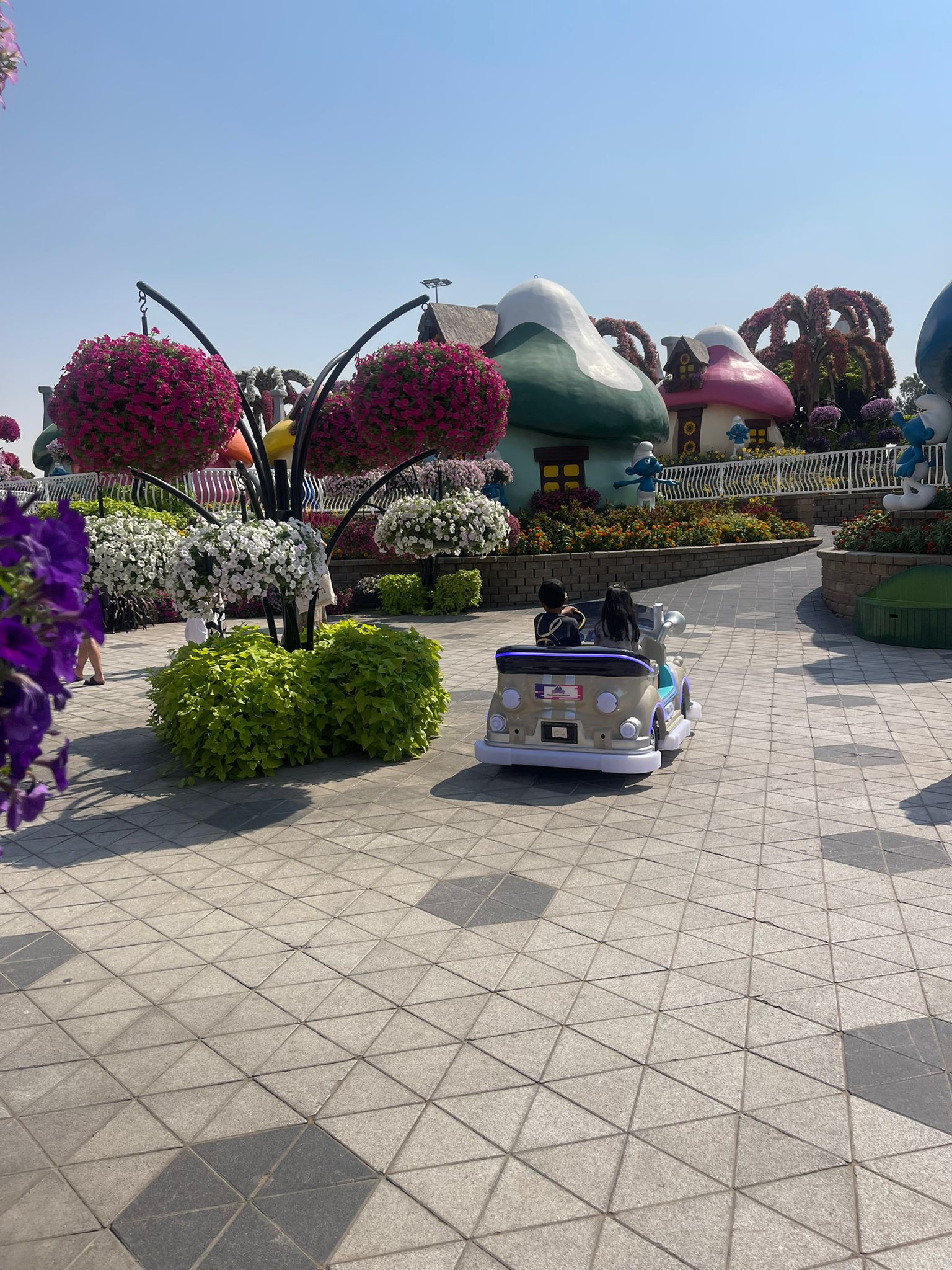
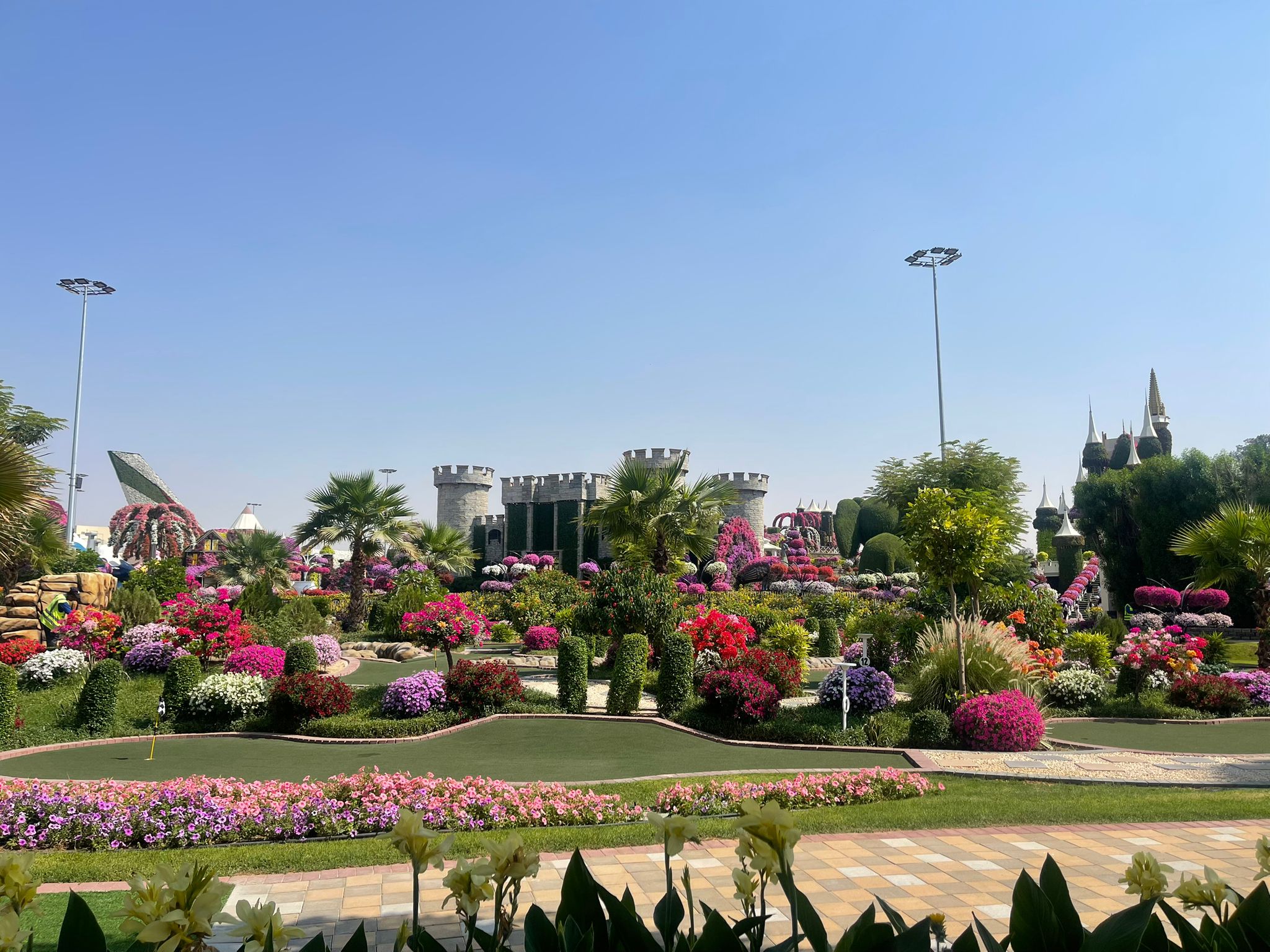
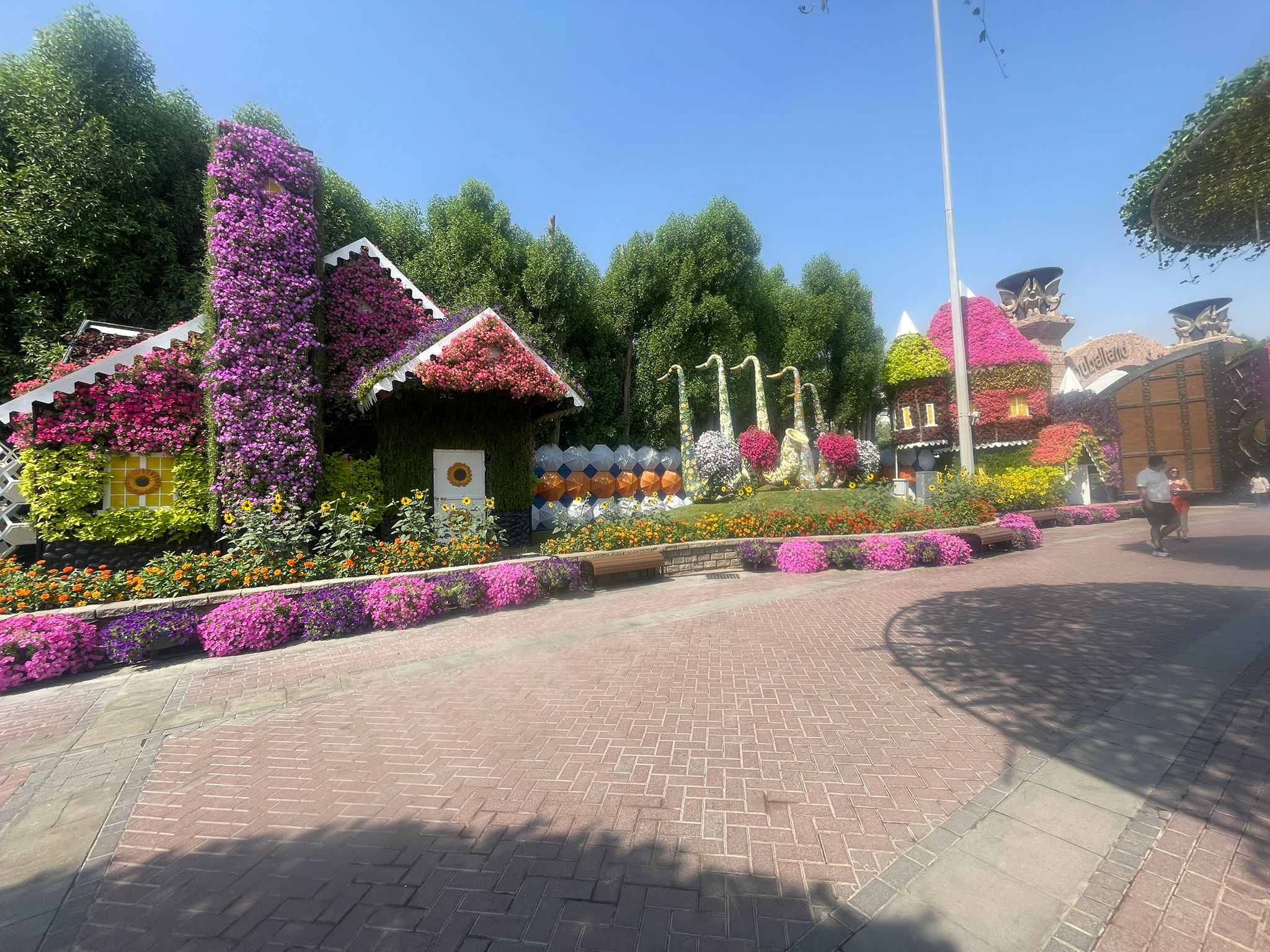
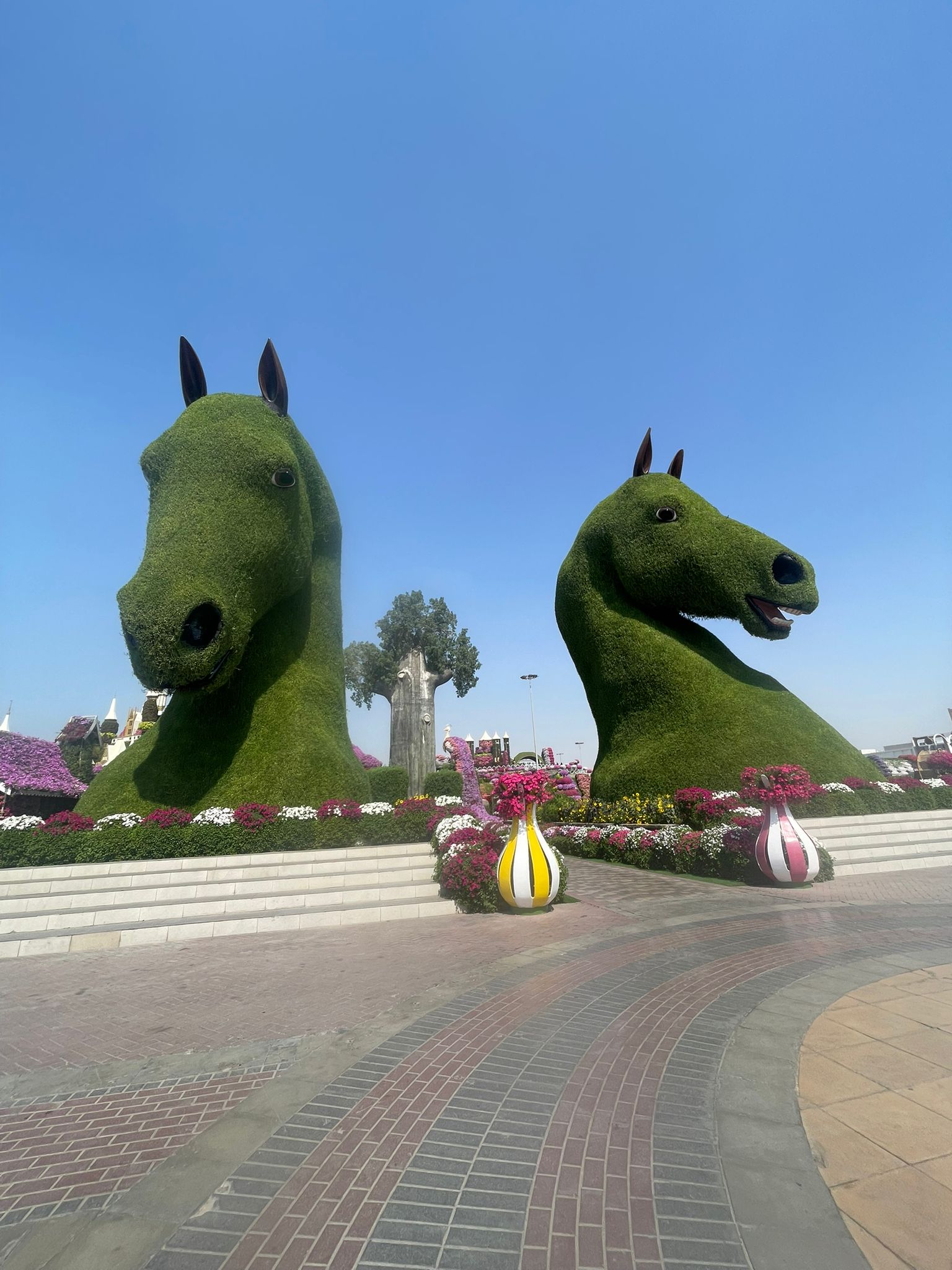
I love Dubai’s cultural contrasts. You drive a little outside the city and suddenly you’re eating traditional food, experiencing their love for the desert, camping in tents, dining in desert hotels and restaurants. There is something beautiful in that contact with such extreme nature. The heat is intense: their winter resembles our summer, and their summer is almost unbearable outdoors.
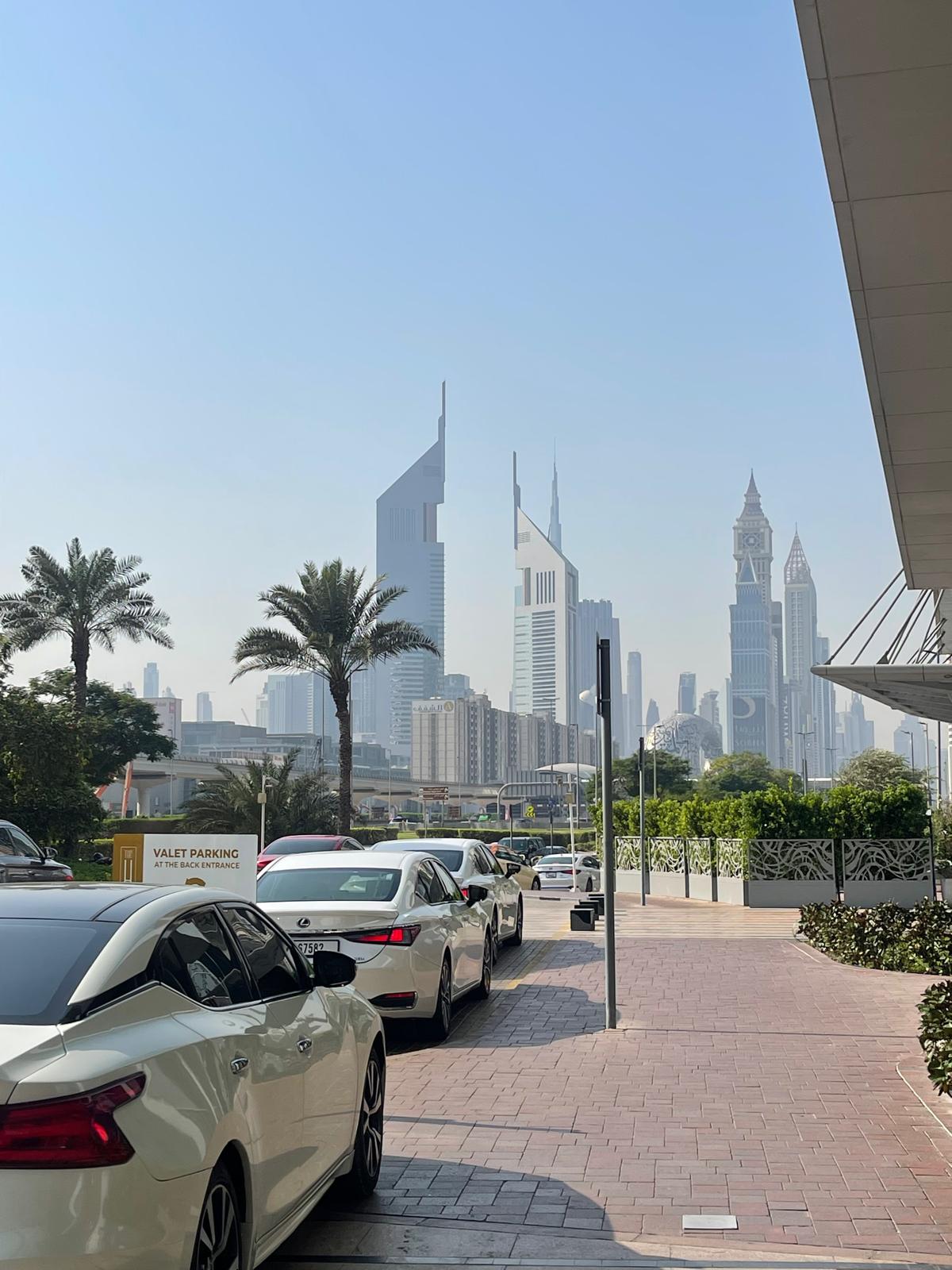
And I love Dubai — I love its atmosphere, the way it smells, the way you never tire of being amazed by it. The skyscrapers, the lights, the sheer spectacle of it all…it is incredible. No matter how many years you visit, even if you go every month, you never tire of photographing the same buildings, the same avenues, the same scenes.